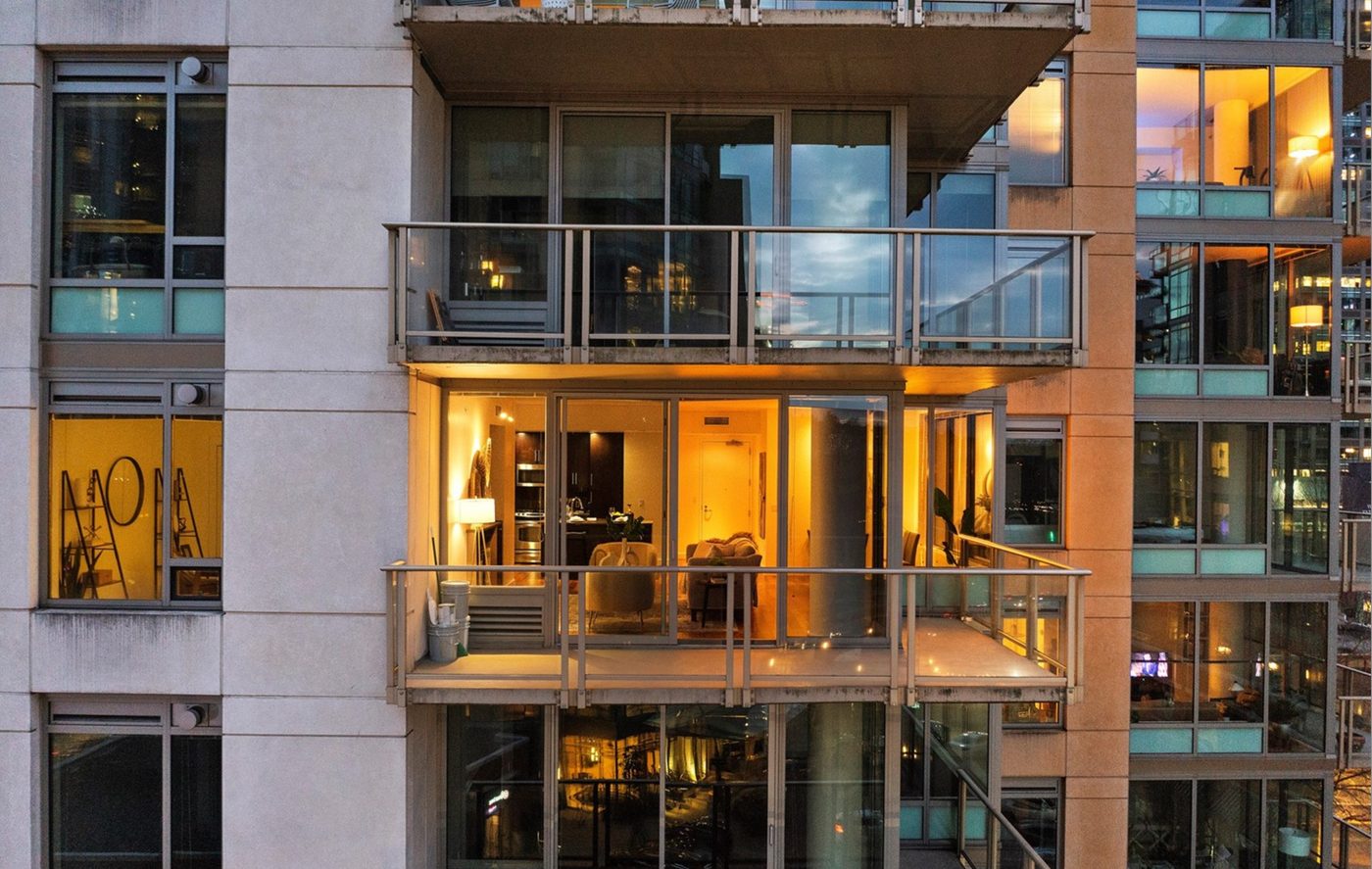
Seller Resource
The Complete Seattle
Condo Seller's Guide
Everything you need to know before you list: pricing strategy, staging, marketing, building-level competition, closing costs, and a step-by-step timeline from a 20-year specialist.
PDF: No obligation, instant access
Why This Guide Exists
Selling a condo is not the same as selling a house. The pricing variables are different, the marketing strategy is different, the buyer due diligence is deeper, and the closing process includes condo-specific documents and requirements that don't exist in single-family transactions. Most seller guides ignore these differences. This one covers them all.
After selling 500+ condos across 200+ Seattle buildings over 20+ years, I've seen every mistake a condo seller can make, and I've developed strategies that consistently deliver above-market results. This guide distills that experience into the eight things every condo seller needs to understand before listing.

Why Selling a Condo Is Different
When you sell a house, you are selling a structure and a lot. When you sell a condo, you are selling your unit and the building it lives in. Buyers evaluate the HOA's financial health, the building's construction history, the reserve fund, pending assessments, rental restrictions, and lending approval, all before they even consider your kitchen countertops. Your listing strategy must address the building, not just the unit.
In-Building Competition
You are not just competing with the neighborhood. You are competing with other units in your own building. The same floor plan two floors up at a lower price kills your listing.
Building Sells the Unit
HOA reserves, pending assessments, litigation, and lending approval all affect whether a buyer can even purchase your unit. The building's financial health is part of your listing.
Buyer Due Diligence Is Deeper
Condo buyers review resale certificates, reserve studies, and governing documents. Cancellation deadlines depend on the statute governing the purchase and when the certificate is received. RCW 64.34.425 provides a five-day period after delivery, ending earlier if conveyance occurs. RCW 64.90.640 generally provides five business days after first receipt, with additional rules concerning contract signing and closing. Request the documents early and have your agent or attorney confirm your specific deadline. Review the budget, reserves, insurance, assessments and governing documents before that deadline.
Floor, View & Orientation
Unlike houses, identical floor plans in the same building sell at different prices based on floor level, view direction, and light exposure. Pricing must account for vertical position.
Jeff's Bottom Line
→ The most common mistake I see is sellers treating their condo like a house sale. Different product, different buyer, different playbook. Every strategy in this guide is built around that fundamental difference.
The Most Important Decision
Specialist vs. Generalist: Why It Matters
Choosing the right agent is the single most consequential decision you'll make. An agent who does not know your building cannot price it correctly, market it effectively, or defend your price to buyer agents. Here is what the difference looks like in practice:
Condo Specialist
Generalist Agent
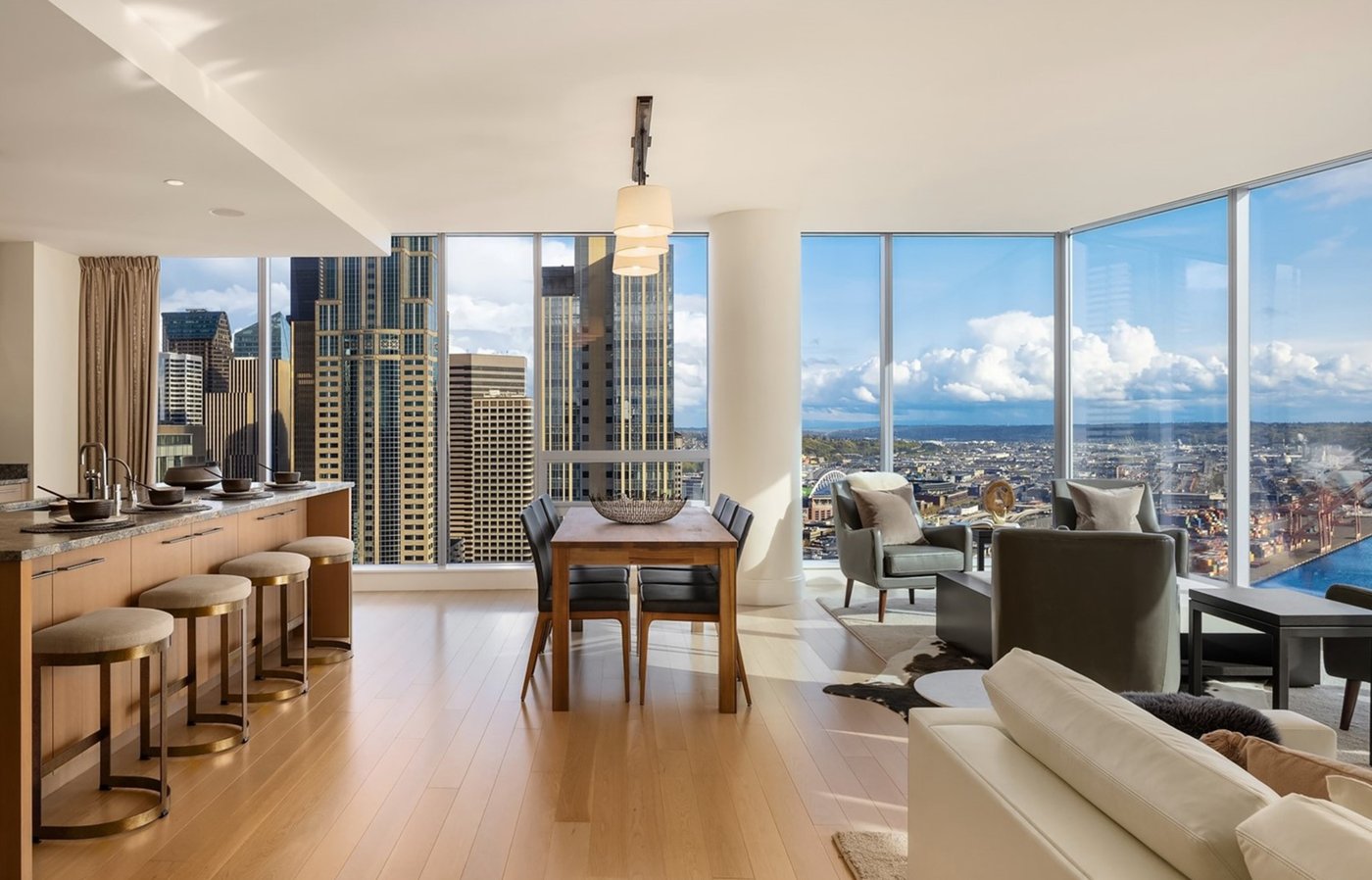
Pricing Strategy Is Building-Specific
Automated valuation models were built for houses. They fail with condos because they cannot account for floor level, view orientation, unit condition, or building-specific dynamics. A Zestimate might show your unit at $625,000, but if the last three sales on your floor plan closed at $585,000 to $600,000, the algorithm is misleading you. The only reliable way to price a condo is building-level comparable analysis.
In-Building Comps
Same floor plan, same building, adjusted for floor level, condition, and view. This is the most reliable data point for pricing a condo.
Floor Level Premium
Higher floors command a premium, typically $5,000 to $15,000 per floor for view units. Ground-floor and low-floor units trade at a discount.
View & Orientation
Water, mountain, and skyline views add 10-25% to value. West-facing units get sunset light. North-facing units get consistent, cool light year-round.
Building Competition
If two similar units are already listed in your building, adding yours creates a three-way race to the bottom. Timing relative to in-building inventory is essential.
HOA Financial Health
Buildings with strong reserves and no pending assessments command higher per-square-foot pricing than buildings with financial uncertainty.
Recent Renovations
Updated kitchens and bathrooms add value, but over-improving relative to building comps caps your return. Know the ceiling before you renovate.
The Cost of Overpricing
An overpriced condo does not just sit on the market. It actively loses value. Every day your listing is active without showings or offers, buyers and agents conclude something is wrong. After 30 days, you are perceived as stale inventory. After 60 days, lowball offers arrive. The price reduction you eventually make is almost always larger than the gap between your asking price and where you should have started.
I price every listing using in-building comps and floor-plan-specific adjustments. The difference between my analysis and automated estimates is typically 5-15%, and that gap is the difference between selling in two weeks and sitting for two months.
Download the Free Seattle Condo Seller's Guide
Get the complete guide as a PDF. Reference it as you prepare to list.
Pre-Listing Preparation
Staging, Photography & Pre-Listing Prep
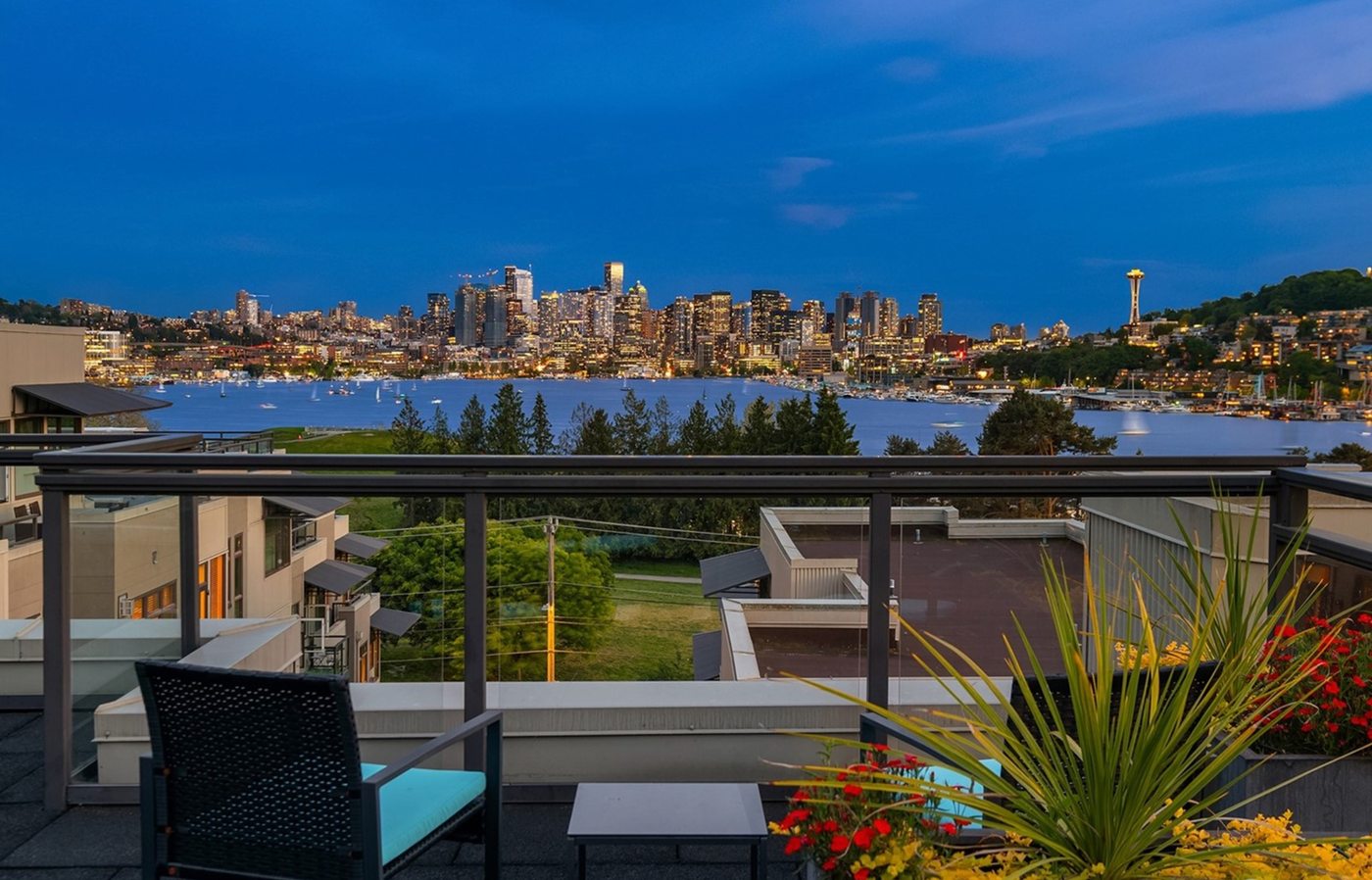
The presentation of your unit directly determines how quickly it sells and at what price. Condo preparation has specific requirements that differ from houses: scale, light, and spatial flow matter more than curb appeal.
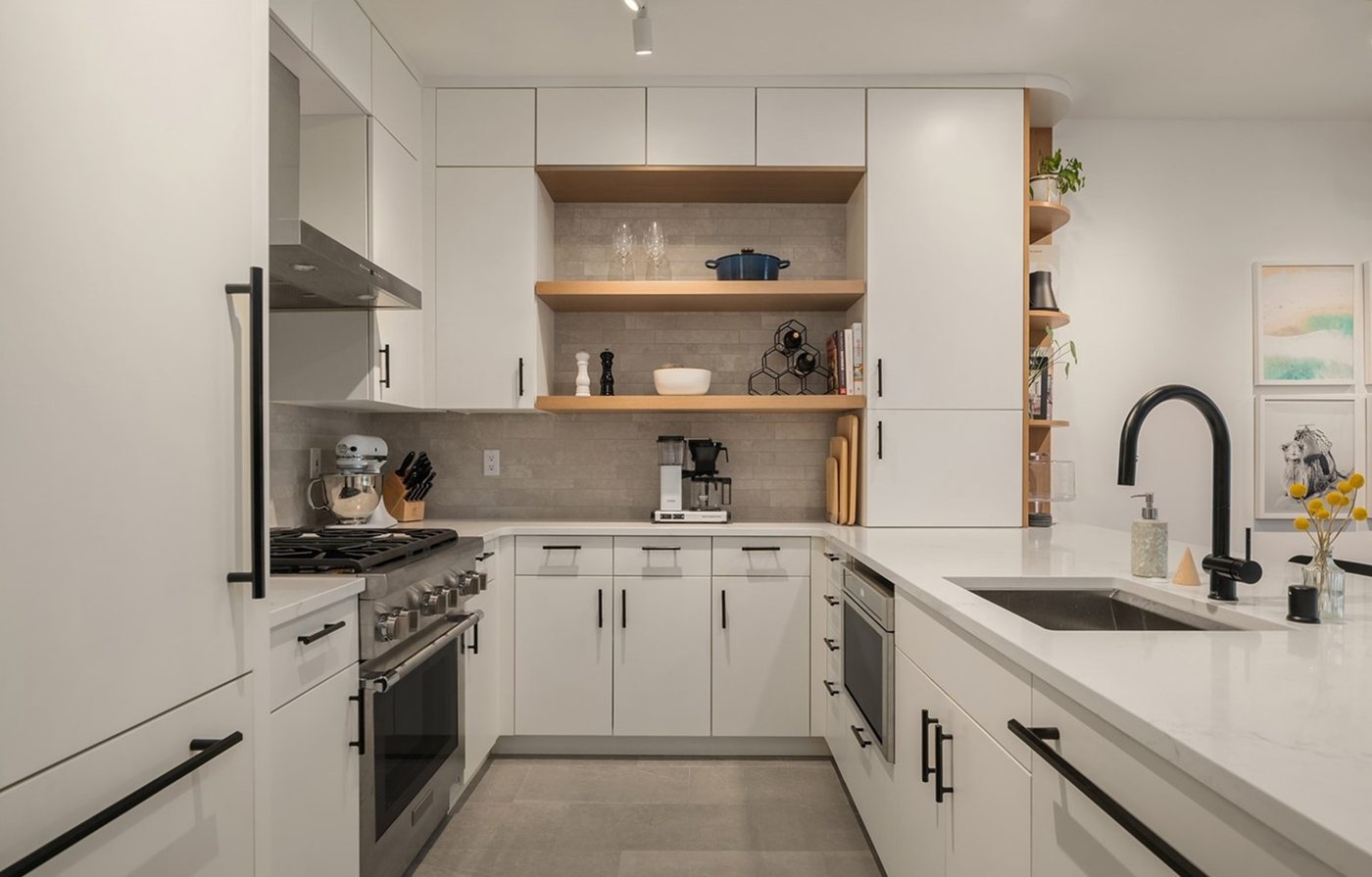
Staging
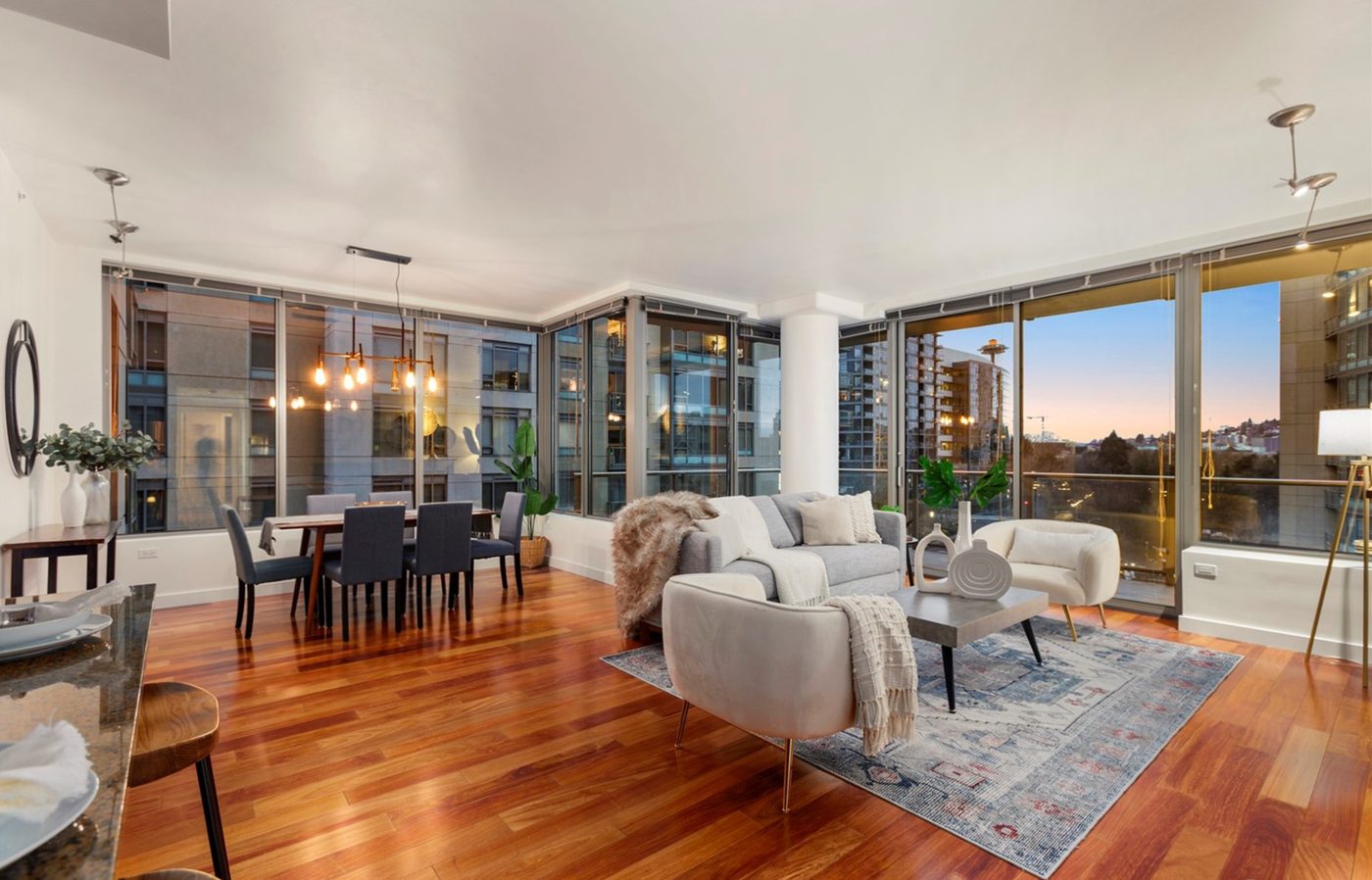
Photography
Pre-Listing Repairs
Go-to-Market Strategy
Marketing a Condo Requires a Different Playbook
Most agents market condos the same way they market houses: photos, MLS, open house. That approach misses what drives condo buyer decisions. These six strategies are specific to condo marketing.
Building-Specific Positioning
Your listing description should lead with building name, floor level, view, and distinctive feature, not generic "bright and spacious" language. Condo buyers filter by building. Speak their language.
Targeted Buyer Pool
A $450K one-bedroom in Belltown targets different buyers than a $1.2M two-bedroom downtown. Digital advertising should be segmented by buyer profile: first-time buyers, downsizers, investors, relocators.
Digital Strategy Beyond MLS
MLS is where agents find listings. Buyers start on Google, Zillow, Redfin, and Instagram. Your listing needs to appear prominently across all channels with consistent, high-quality content.
Agent Network Outreach
Condo buildings have a small ecosystem of agents who know the product well. Direct outreach to those agents generates showings before the broader market notices your listing.
Dedicated Listing Content
For distinctive units, dedicated landing pages rank in search results for building name searches and outperform standard portal listings with deeper information.
Social Media as Media
Instagram is the primary stage for lifestyle marketing. Content should feel like a feature story, not a sales pitch. Short-form video optimized for reach and shareability drives awareness.
Showings & Offers
Condo showings have logistics that house showings don't: building security, elevator access, HOA policies, and guest parking coordination. The offer evaluation process also differs because building-level financing risks can kill a deal after mutual acceptance.
Controlled Access Coordination
Condo showings require building management coordination: elevator access, security protocols, HOA policies. I handle all logistics in advance so showing day is seamless.
Strategic Showing Windows
Tight showing windows create urgency and concentrated buyer activity. I schedule showings to overlap, generating competitive energy. Adjustments are deliberate, not reactive.
Broker Preview Events
Broker opens in condo buildings create agent advocates for your listing. An agent who has walked the unit and experienced the building firsthand is more likely to bring their buyer.
Offer Review Process
Setting a clear offer review date creates a competitive framework. I evaluate not just price but financing strength, contingency terms, and the likelihood of closing without complications.
Jeff's Approach
→ I evaluate offers on four dimensions: price, financing strength (can the buyer's lender close in this building?), contingency terms, and closing timeline. The highest price is not always the best offer. A financed offer in a non-warrantable building has real risk. A cash offer at 5% below asking may net you more with certainty.
The Condo Selling Timeline
From initial consultation to closing, a typical Seattle condo sale takes 8 to 10 weeks, assuming proper preparation and strategic pricing. Condo sales include additional steps: resale certificate preparation, HOA condo questionnaire for the buyer's lender, and building-specific appraisal challenges.
When to Sell Guide →Pre-Listing Preparation
Weeks 1 to 3Active Marketing
Weeks 4 to 5Offer & Negotiation
Weeks 5 to 7Closing
Weeks 7 to 10Know Your Numbers
Closing Costs & Net Proceeds
Understanding your closing costs before you list prevents surprises at the closing table. Condo sales have additional costs that house sales don't, including resale certificate fees and HOA transfer charges.
Real Estate Excise Tax (REET)
1.1% to 3%Washington State excise tax on the sale. Tiered by sale price. This is typically the seller's largest closing cost after commissions.
Agent Commissions
5% to 6%Total commission split between listing and buyer's agent. Negotiable, but cutting commission often means cutting marketing, which costs you more in the final sale price.
Resale Certificate
$200 to $500Required by Washington law. The HOA prepares this document for the buyer. The seller typically pays the preparation fee.
Title Insurance
$800 to $2,000Owner's title insurance policy. Cost scales with sale price. Protects the buyer against title defects.
Escrow & Recording
$500 to $1,200Escrow company fees for managing the closing process, plus county recording fees for the deed transfer.
HOA Transfer & Move-Out
$200 to $800HOA transfer fee and move-out deposit/fee. Some buildings charge a move-out inspection fee. Confirm with your HOA before listing.
Example: Net Proceeds on a $700,000 Sale
Excludes mortgage payoff. Actual costs vary by transaction.
Deep Dive Resources
Explore Each Topic in Detail
Each guide below covers a specific aspect of selling a Seattle condo in depth. Every one has been written by Jeff Reynolds with 20+ years of building-level expertise.
Proven Results
Recent Condo Sales

1521 Penthouse
DowntownSold in 88 days
Luxury penthouses typically take 9-12 months
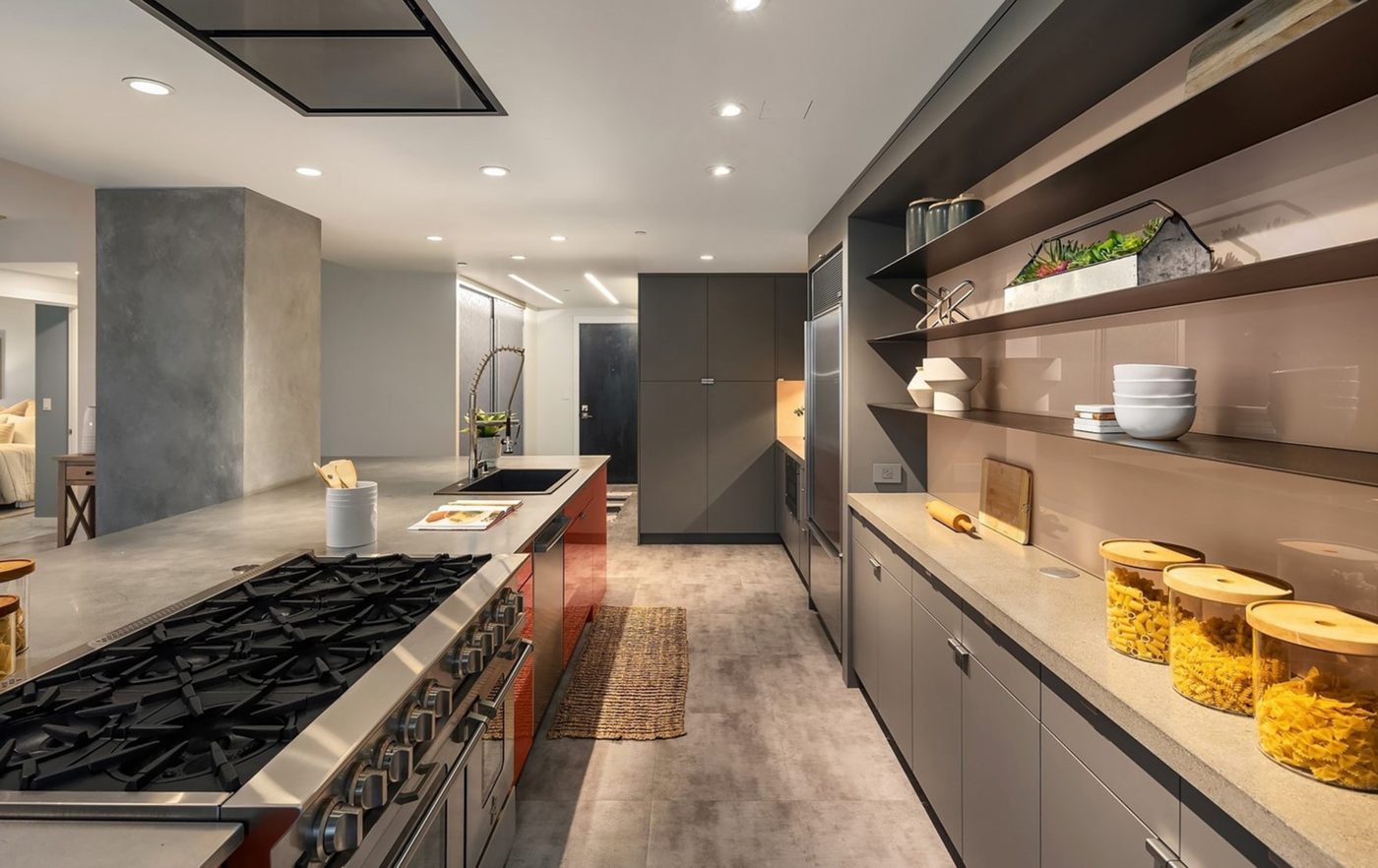
2607 Western Ave
Belltown38 days on market
vs. 120-day market median. $954/sqft vs $742 median

The Regata
WallingfordMultiple offers in 8 days
Sold above asking despite active special assessment
Ready to Sell?
Get the Guide. Then Get the Strategy.
Download the free Seattle Condo Seller's Guide to understand the process before you list. When you're ready for a building-specific pricing analysis and marketing plan, start your seller discovery. Jeff reviews your property, goals, and timing before recommending next steps.
Weekly Newsletter
Seattle Condo Market Briefing
Weekly insights on Seattle's condo market. Building updates, price trends, and neighborhood intel from 20+ years on the ground.
No spam. Unsubscribe anytime.

Jeff Reynolds
Seattle Condo Specialist · Compass Real Estate · 20+ Years
Jeff has spent 20+ years helping buyers and sellers navigate Seattle's condo market building by building. Have a question about selling your Seattle condo for maximum value?
Start with your goals
Tell Jeff about your home and selling goals
Share your property, timing, and priorities so Jeff can prepare a useful next step.
Allow about six minutes for buyer or seller discovery. Jeff reviews your answers before arranging a conversation.
Need help getting started? Call 206-794-1118 or email Jeff.
Have a quick question? Send Jeff a message.
Authority Resources
Tools for Smarter Condo Decisions
Building Database
210+ buildings with year built, unit counts, HOA data, and neighborhood context.
Condo Market Report
Current price trends, inventory analysis, and neighborhood-level market data.
Condo Glossary
Plain-language definitions for every term a Seattle condo buyer needs.
HOA Fees Guide
HOA fees, reserve funds, financing rules, and the resale certificate explained.
Buildings FAQ
Direct answers about Escala, Insignia, The Luxe, 1521, Newmark, and 210+ buildings.
Resale review guidance checked October 22, 2026. Sources: RCW 64.34.425 and RCW 64.90.640. The applicable law and contract determine the buyer's deadline.