
Buyer Education
Seattle Condo Inspections: What to Expect
What a condo inspection covers, how it differs from a single-family home inspection, and why it matters for Seattle condo buyers.
Why It Matters
Why Condo Inspections Are Essential
Some buyers skip the inspection on a condo because they assume the HOA takes care of everything. That is a mistake. The HOA is responsible for common areas and the building structure, but your unit's interior systems, finishes, and mechanical components are your responsibility. An inspection tells you what you are actually buying before you close.
A good inspection can uncover issues that affect your budget, your comfort, and your negotiating position. It is one of the most cost-effective steps you can take during the purchase process.
Scope of Inspection
What Gets Inspected
A condo inspection focuses on the interior of your specific unit. The inspector will evaluate these eight systems:
Plumbing
Water pressure, drain function, supply lines, visible leaks under sinks, toilet operation, and water heater condition (if the unit has its own).
Electrical
Panel condition, outlet function, GFCI protection in kitchens and bathrooms, light switches, and any visible wiring concerns.
HVAC
Heating and cooling systems, thermostat function, filter condition, and ductwork (where accessible). Many Seattle condos use in-unit electric baseboard heat or mini-splits.
Windows & Doors
Seal integrity, hardware function, condensation between panes, and weather stripping. Window condition is particularly important in Seattle's climate.
Kitchen Appliances
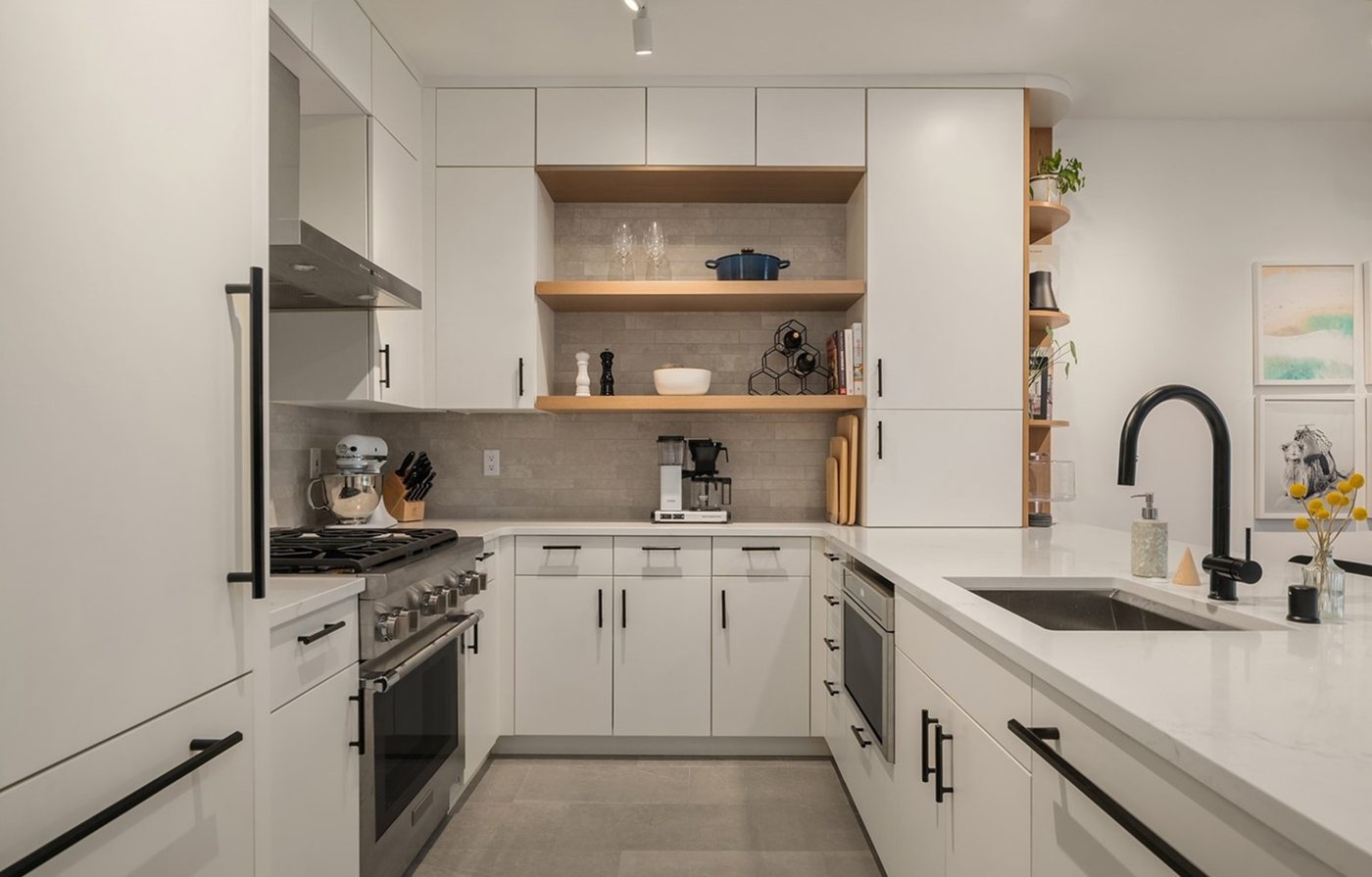
Dishwasher, range, oven, microwave, and refrigerator. The inspector will run each appliance to verify it works.
Bathrooms
Tile and grout condition, caulking, exhaust fan operation, and signs of moisture damage around tubs and showers.
Walls, Ceilings & Floors
Cracks, water stains, uneven surfaces, and signs of past or current water intrusion.
Safety Detectors
Smoke and carbon monoxide detectors: presence, placement, and function throughout the unit.
Know the Limits
What a Condo Inspection Does NOT Cover
A standard condo inspection does not evaluate the building's common areas or structural systems. These items fall under the HOA's responsibility:
Roof, Siding & Building Envelope
Exterior structural elements covered by the HOA's master insurance and reserve fund.
Elevators & Common Mechanical
Elevator systems, lobby HVAC, and building-wide mechanical equipment.
Parking Garage Structure
Structural integrity and maintenance of shared parking facilities.
Shared Plumbing & Electrical Mains
Building-wide risers, main electrical panels, and shared utility infrastructure.
Common Area Hallways, Lobbies & Amenities
All shared spaces and amenity areas maintained by the association.
For information about the building's overall condition, you rely on these critical documents:
What to Watch For
Common Issues Found in Seattle Condo Inspections
Based on years of working with buyers across dozens of Seattle condo buildings, these are the issues that come up most frequently:
Window Seal Failures
Fogging or condensation between dual-pane window glass indicates a broken seal. Replacement costs vary depending on the window type and building rules about modifications.
Bathroom Ventilation Problems
Inadequate exhaust fan capacity or venting into the ceiling cavity instead of to the exterior. This leads to moisture buildup and potential mold issues.
Outdated Electrical Panels
Older buildings may have panels that are undersized for modern electrical loads or use obsolete breaker types.
Water Heater Age
Tank-style water heaters have a typical lifespan of 10 to 15 years. If yours is near the end of its life, budget for replacement.
Kitchen & Bathroom Caulking
Deteriorated caulking around tubs, showers, and countertops is common in older units and can lead to water damage if not maintained.
Finding the Right Pro
Choosing the Right Inspector
Not every home inspector has extensive experience with condos. Look for an inspector who understands the difference between what falls under the HOA's responsibility and what belongs to the unit owner. They should know how to evaluate in-unit systems in the context of the building type, whether it is a wood-frame low-rise, a concrete mid-rise, or a steel-and-glass high-rise.
What to Look for in a Condo Inspector
- Specific experience inspecting condominiums, not just single-family homes
- Understanding of HOA vs. unit owner responsibility boundaries
- Familiarity with different building types (wood-frame, concrete, steel-and-glass)
- Ability to distinguish between minor maintenance items and deal-relevant concerns
- Clear, detailed reports with photos and cost estimates for findings
- Licensed and insured in Washington State
I can recommend inspectors I have worked with across a wide range of Seattle condo buildings. If you are heading into an inspection and want to know what to look for in a specific building, let me know. Building-specific knowledge makes a real difference in knowing which findings are minor maintenance items and which are deal-relevant concerns.
Strategic Advantage
Using Inspection Findings in Negotiations
Inspection results give you leverage. If the inspector identifies material issues, you can negotiate with the seller for repairs, credits, or a price reduction.
In a competitive Seattle market, how you handle inspection findings matters. The goal is to address genuine concerns without torpedoing a deal over cosmetic items. Understanding what truly matters in a condo inspection helps you negotiate from a position of knowledge rather than fear.
Request Repairs
Ask the seller to fix material issues before closing
Negotiate Credits
Get a credit at closing to handle repairs yourself
Price Reduction
Adjust the purchase price to reflect needed work
Next Steps
Ready to Buy a Seattle Condo?
I can recommend trusted inspectors, help you interpret findings, and negotiate on your behalf. Let's talk about your search.
Weekly Newsletter
Seattle Condo Market Briefing
Weekly insights on Seattle's condo market. Building updates, price trends, and neighborhood intel from 20+ years on the ground.
No spam. Unsubscribe anytime.

Jeff Reynolds
Seattle Condo Specialist · Compass Real Estate · 20+ Years
Jeff Reynolds has spent 20+ years exclusively focused on Seattle's condo market, closing 500+ transactions and personally profiling 210+ buildings. His building-level expertise, grounded in HOA financials, reserve fund health, construction quality, and resale performance, is the foundation of every recommendation on this site. Have a question about condo inspections?
Authority Resources
Tools for Smarter Condo Decisions
Building Database
210+ buildings with year built, unit counts, HOA data, and neighborhood context.
Condo Market Report
Current price trends, inventory analysis, and neighborhood-level market data.
Condo Glossary
Plain-language definitions for every term a Seattle condo buyer needs.
HOA Fees Guide
HOA fees, reserve funds, financing rules, and the resale certificate explained.
Buildings FAQ
Direct answers about Escala, Insignia, The Luxe, 1521, Newmark, and 210+ buildings.