
Buyer Education
Seattle Condo Reserve Funds
Explained
How condo reserve funds work, why they matter for Seattle buyers, and how to evaluate whether a building's reserves are adequate to protect your investment.
The Fundamentals
What Is a Condo Reserve Fund?
A reserve fund is the savings account that a condominium's HOA maintains for major repairs and replacements. Think of it as the building's rainy-day fund. While monthly HOA dues cover day-to-day operating costs, reserves are specifically set aside for big-ticket items that every building will eventually need: a new roof, elevator modernization, exterior painting, plumbing overhauls, and similar capital expenses.
Without adequate reserves, the building has two options when something major fails: levy a special assessment on all owners or take out a loan. Neither is ideal. A properly funded reserve avoids both scenarios by planning and saving in advance.
Think of It This Way
A reserve fund is to a condo building what an emergency fund is to a household. You hope you never need it for a crisis, but when the roof needs replacing or the elevators need modernizing, the money is already there. No scrambling. No surprise bills. No loans.
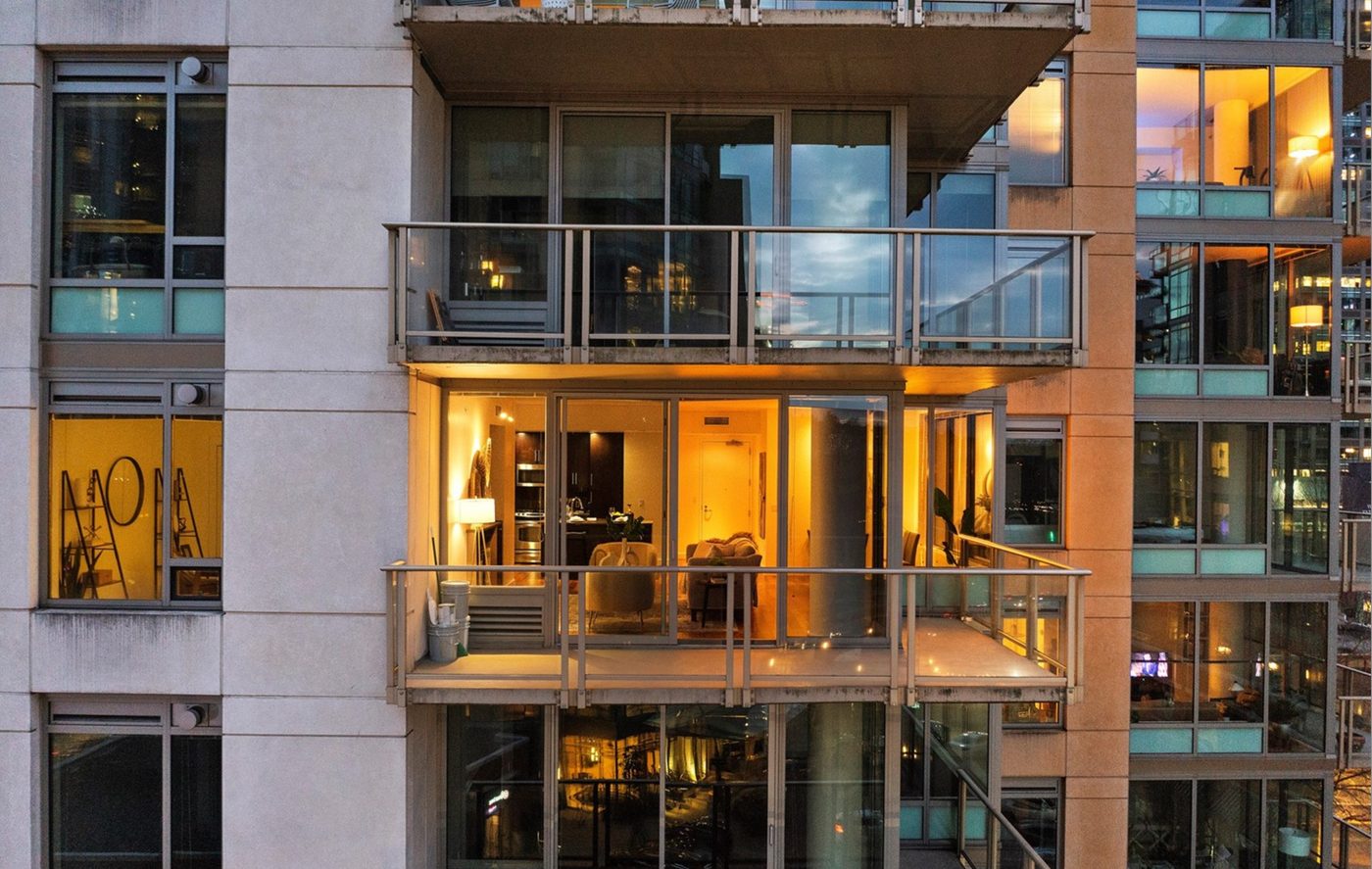
Well-funded buildings
Plan ahead so owners never face surprise five-figure assessments.
Professional Analysis
What a Reserve Study Includes
A reserve study is a professional engineering and financial analysis of the building's major components. It identifies every significant system and structure, estimates its remaining useful life, projects the cost of repair or replacement, and recommends how much the HOA should contribute to reserves each year to cover those future costs.
Washington law requires many condominium associations to prepare reserve studies, update them annually, and obtain an update based on a professional visual inspection at least every three years. The applicable requirements and exemptions depend on the law governing the association and its circumstances. When buying, request the latest reserve study, subsequent updates, and current budget. Review them together to understand planned repairs and how the association intends to fund them. Sources: RCW 64.34.380 and RCW 64.90.545.
Component Inventory
Inventory of all major building components: roof, siding, windows, elevators, HVAC systems, parking structures, plumbing, and more.
Condition Assessment
Professional evaluation of each component's current condition, identifying items that are performing well and those nearing end of useful life.
Useful Life Estimates
Estimated remaining useful life for each item, based on industry standards, manufacturer data, and the specific conditions of the building.
Projected Costs
Projected replacement or repair costs in future dollars, adjusted for inflation, so the HOA can plan with realistic numbers.
Contribution Recommendation
Recommended annual reserve contribution to fully fund projected needs, giving the HOA a clear savings target.
Current Balance & Funding Level
Current reserve fund balance and the critical percent funded metric, the single most important number for evaluating building financial health.
Financial Health Indicator
How to Read Reserve Fund Health
The most important metric in a reserve study is the percent funded level. This compares the current reserve balance to what the study says should be saved by now.
The building is well-prepared for upcoming expenses. Special assessments are unlikely. This is what you want to see. The HOA is planning ahead, saving appropriately, and maintaining the building proactively.
The HOA may need to increase contributions or faces some risk of needing an assessment for unexpected repairs. Not a dealbreaker, but dig deeper into the HOA's plan to improve funding levels.
The building is at elevated risk for special assessments. This should be a serious consideration for any buyer. A $20,000 to $50,000 assessment can arrive with little warning if the roof fails or the building envelope needs repair.
Context matters. Keep in mind that percent funded is a snapshot. A building at 50% funded with a plan to reach 70% over five years is in a very different position than one at 50% with no plan to increase contributions.
Financial Exposure
Why Reserves Matter to Buyers
Reserve fund health directly affects your financial exposure as a condo owner. Here is why it should be a top priority during your purchase evaluation:
Special Assessment Risk
Underfunded reserves are the primary driver of special assessments. A $20,000 to $50,000 assessment can arrive with little warning if the roof fails or the building envelope needs repair.
Lender Requirements
Many lenders review reserve adequacy as part of the condo questionnaire process. Severely underfunded buildings can be flagged as non-warrantable, limiting financing options for future buyers and affecting resale value.
Insurance Implications
Buildings with deferred maintenance and low reserves may face higher insurance premiums or difficulty obtaining coverage, further increasing monthly costs for all owners.
Resale Value
Buyers and their agents increasingly scrutinize reserve studies. A well-funded building is more attractive and easier to sell than one with financial uncertainty.

Due Diligence
Questions to Ask About Reserves
Before making an offer on any Seattle condo, get answers to these questions:
When was the most recent reserve study conducted, and by whom?
What is the current percent funded level?
Is the HOA contributing the amount recommended by the reserve study?
Are any major capital projects planned in the next five years?
Has the building ever had a special assessment? If so, how recently and for how much?
These answers are available in the resale certificate and the building's financial documents. I review these with every buyer I work with because the numbers tell you more about a building's future than any listing description can. Reserve funding is the first of the five points in my HOA Financial Health Framework. If you want help evaluating a specific building's reserves, let's talk.

Jeff's Insight
20+ Years Evaluating Reserve Funds
"I look at reserve studies the same way I look at a condo's bones. The percent funded number tells you the headline, but the real story is in the trajectory. Is the HOA increasing contributions to catch up? Have they deferred the projects that matter most? Are they following the study's recommendations or ignoring them?"
"A building at 60% funded with an aggressive catch-up plan and a competent board is a better bet than one at 75% that has been drawing down reserves without updating the study. The number matters, but the management behind it matters more."
Next Steps
Ready to Evaluate a Building's Reserves?
Get expert guidance on evaluating reserve fund health, reading reserve studies, and making informed purchase decisions.
Weekly Newsletter
Seattle Condo Market Briefing
Weekly insights on Seattle's condo market. Building updates, price trends, and neighborhood intel from 20+ years on the ground.
No spam. Unsubscribe anytime.
Jeff Reynolds
Seattle Condo Specialist · Compass Real Estate · 20+ Years
Jeff Reynolds has spent 20+ years exclusively focused on Seattle's condo market, closing 500+ transactions and personally profiling 210+ buildings. His building-level expertise, grounded in HOA financials, reserve fund health, construction quality, and resale performance, is the foundation of every recommendation on this site. Have a question about condo reserve funds and building financials?
Authority Resources
Tools for Smarter Condo Decisions
Building Database
210+ buildings with year built, unit counts, HOA data, and neighborhood context.
Condo Market Report
Current price trends, inventory analysis, and neighborhood-level market data.
Condo Glossary
Plain-language definitions for every term a Seattle condo buyer needs.
HOA Fees Guide
HOA fees, reserve funds, financing rules, and the resale certificate explained.
Buildings FAQ
Direct answers about Escala, Insignia, The Luxe, 1521, Newmark, and 210+ buildings.