
Seller Resource
How to Price a Seattle Condo
Building-specific pricing strategy for Seattle condo sellers. Comparable analysis, price-per-square-foot benchmarks, and timing your listing for maximum return.
Pricing a Condo Is Not the Same as Pricing a House
When you price a single-family home, you are working with a relatively unique product. Lot size, condition, and renovations all create differentiation. When you price a condo, you are working within a much tighter competitive framework. Your unit is one of dozens or hundreds of similar units in the same building, and buyers can immediately see how your asking price compares to recent sales on different floors with different views. There is nowhere to hide a bad price.
This means condo pricing requires more precision and less guesswork. It also means that the data matters more. A house seller can get away with pricing 5% above comps and waiting for the right buyer. A condo seller who prices 5% above in-building comps will watch their listing go stale while the unit down the hall sells in a week.
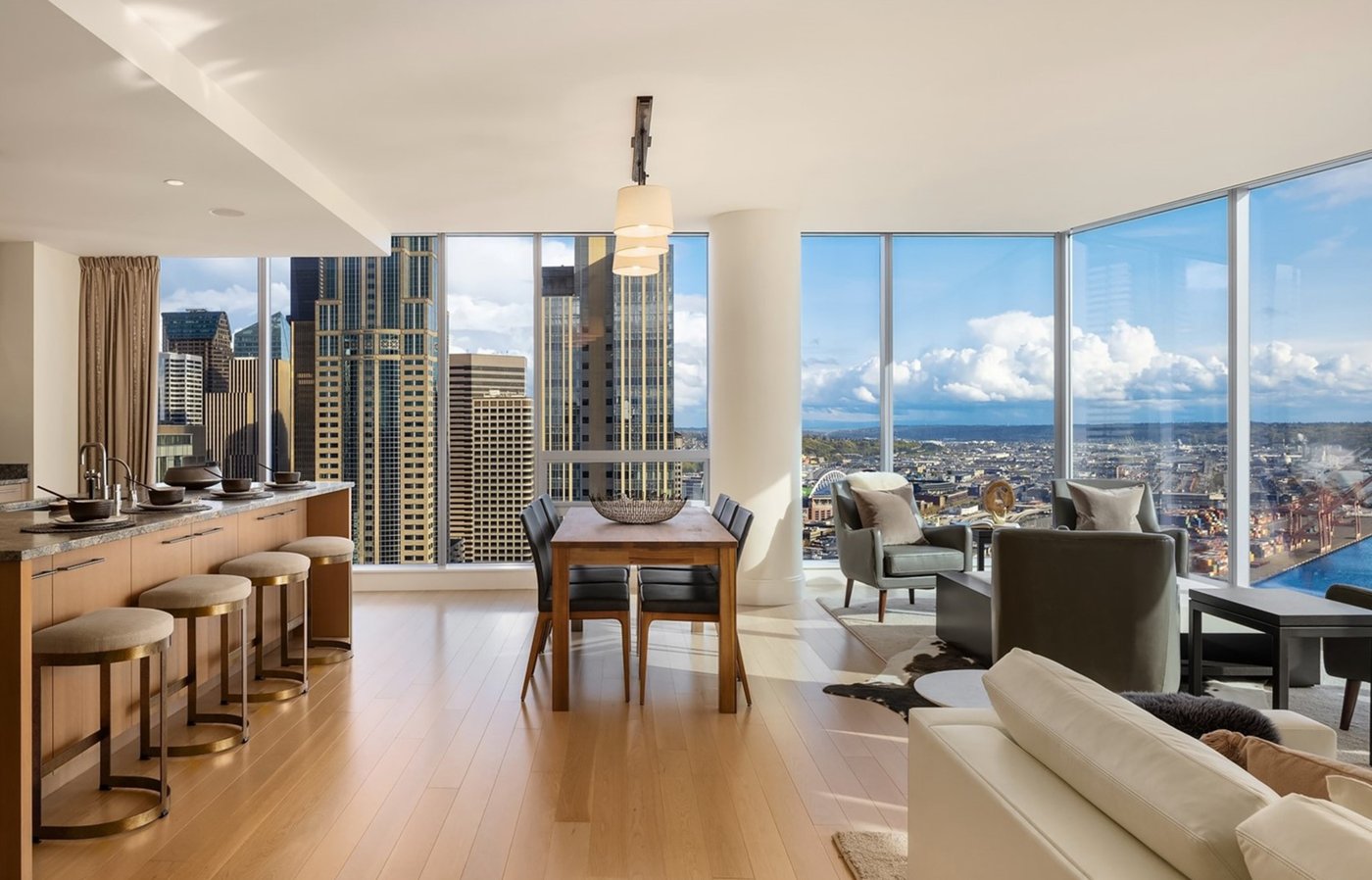
1521 Penthouse, priced using in-building data and view-adjusted analysis
Jeff's Pricing Insight
Automated valuations (Zillow, Redfin) are built for houses. They cannot account for floor level, view orientation, or building-specific dynamics. In my experience, they miss condo values by 5% to 15%, and that gap is often the difference between a listing that sells and one that sits.
Start with In-Building Comparables
The most relevant data point for pricing your condo is what has sold recently in your own building. In-building sales control for building quality, amenities, HOA dues, management, and location. The only variables that change are floor, view, finishes, and square footage. This gives you a much cleaner comparable analysis than using sales from other buildings in the neighborhood.
I track every sale in every building in our network. When you sit down with me, I can show you the last two years of closed sales in your building, organized by floor plan type, floor level, and view orientation. This data tells us exactly where your unit fits in the building's pricing hierarchy.
If your building has not had enough recent sales to establish a clear price point, I expand to comparable buildings: similar age, similar unit count, similar amenity package, similar neighborhood position. But in-building data always comes first.
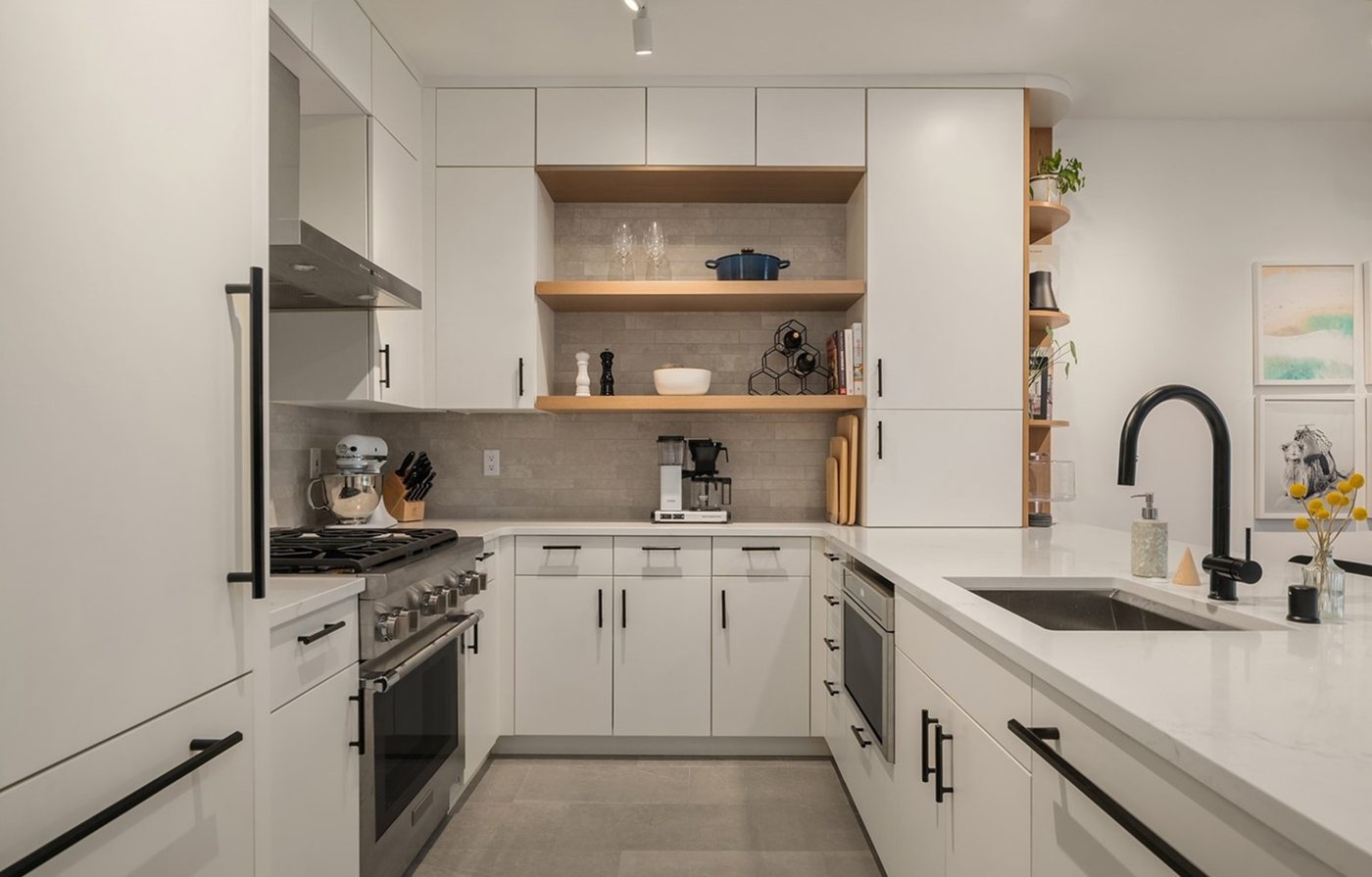
The Regata, priced against in-building comps, sold $850K with multiple offers in 8 days
Price Per Square Foot Is a Starting Point
Buyers and agents talk about price per square foot as if it is the definitive metric. It is useful, but it does not tell the whole story. Two units in the same building with identical square footage can justifiably trade at very different prices based on floor level, view orientation, outdoor space, parking, and storage.
I use price per square foot as a sanity check against the broader market, then I adjust based on the specific attributes of your unit. A south-facing unit on the 25th floor with unobstructed water views should price higher per square foot than a north-facing unit on the 5th floor looking at the building next door. The question is how much higher, and that answer comes from studying how the market has valued those differences in your specific building.
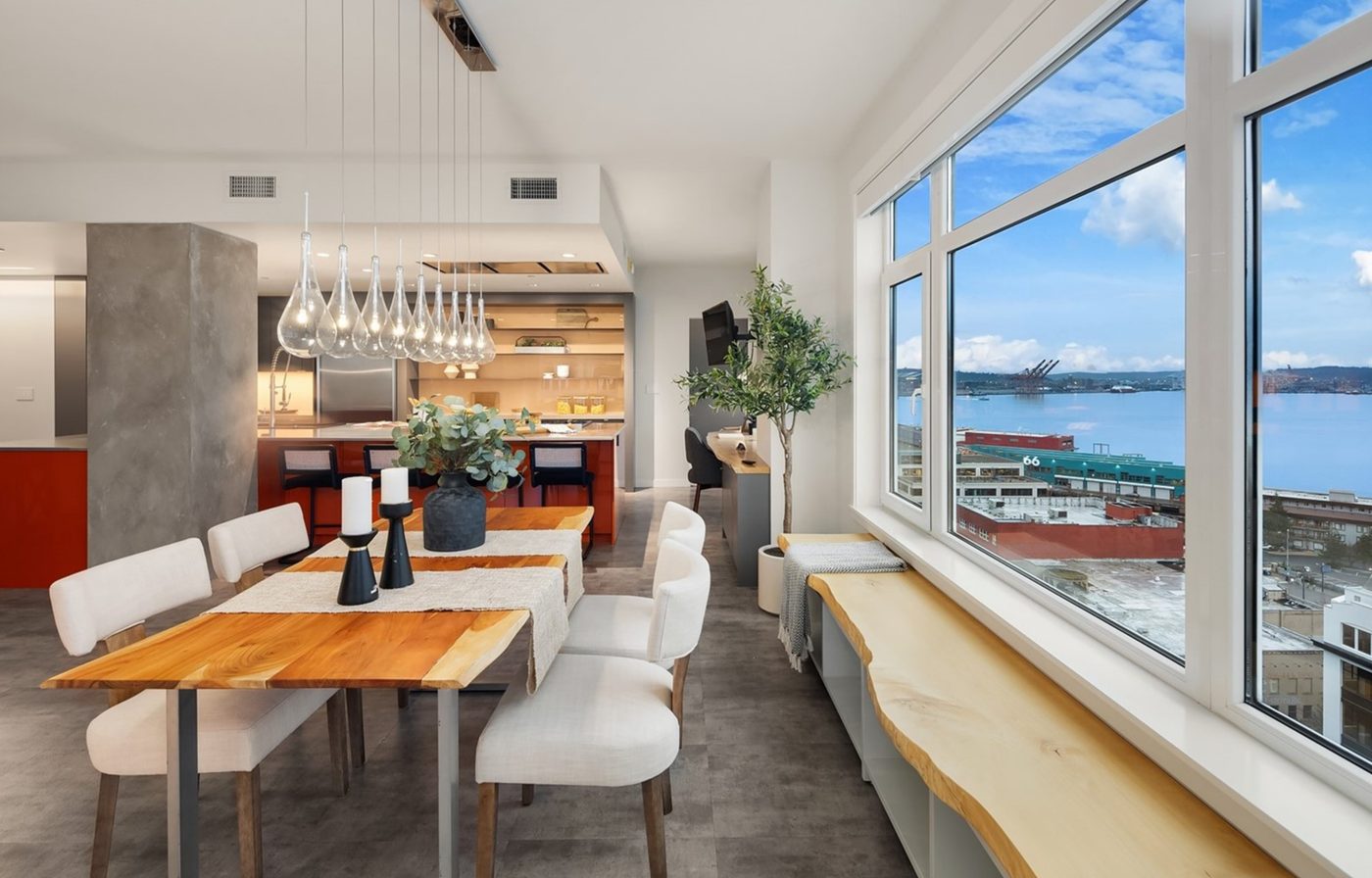
2607 Western Ave, $954/sqft vs $742 median, priced by view-adjusted analysis
Jeff's Pricing Insight
Price per square foot gets you in the ballpark. Floor level, view, outdoor space, parking, and storage get you to the right number. Two identical floor plans in the same building can justify a 15-20% price difference based on these variables alone.
Condition and Finishes Matter, But Less Than You Think
Sellers frequently overestimate the value of their upgrades. A $40,000 kitchen renovation does not add $40,000 to your condo's value. In most cases, it adds $15,000 to $25,000, depending on the building's price point and buyer expectations. Original-condition units in well-maintained buildings sell at a discount, but the discount is usually smaller than the cost of a full renovation.
My advice on renovations before selling is straightforward: fix anything that is broken, refresh anything that is dated but inexpensive to update (paint, hardware, light fixtures), and leave the major renovations for the next owner to decide on. Buyers at the condo price point generally want to customize finishes to their own taste. They do not want to pay a premium for your taste.
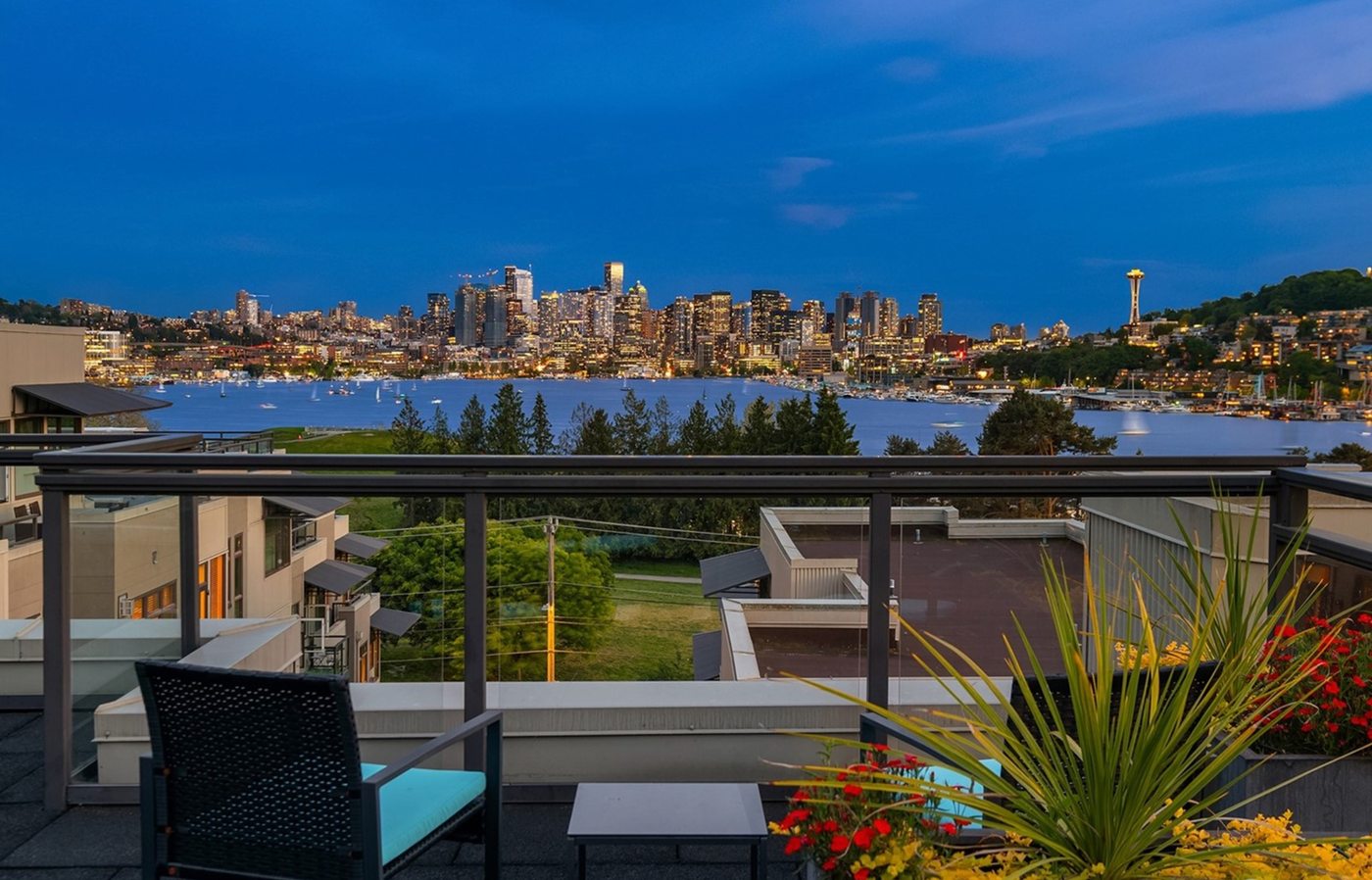
The Regata, quality finishes contribute to value, but smart sellers know where the ceiling is
Timing Your Listing
Seattle's condo market has distinct seasonal patterns. The strongest buyer activity runs from late February through June. September and October see a secondary peak. November through January is typically slower, though well-priced units in strong buildings sell year-round.
Timing within your building also matters. If three units in your building are currently listed, adding a fourth creates more competition for the same buyer pool. Sometimes waiting two or three weeks for a competing listing to sell or expire can meaningfully improve your positioning. I monitor active listings in every building so I can advise you on the optimal listing window.
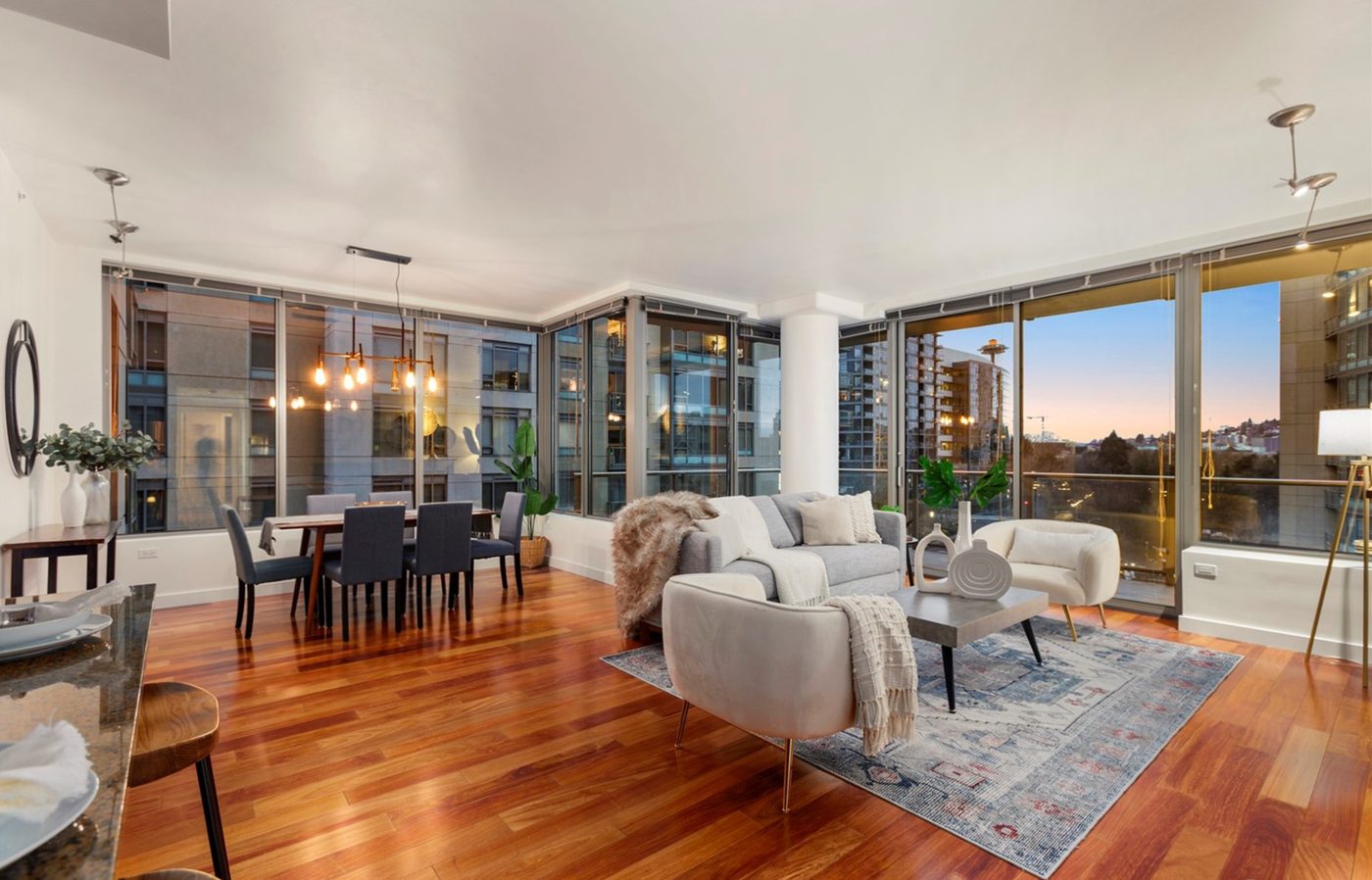
910 Lenora, timed to market, sold with multiple offers in 6 days
Jeff's Pricing Insight
The best price in the world will not overcome bad timing. I monitor every listing in every building so I can tell you not just what your unit is worth, but when to list it for maximum impact. Sometimes the smartest move is waiting two weeks.
The Danger of Overpricing
Overpricing a condo is more damaging than overpricing a house. House buyers have fewer direct comparisons. Condo buyers are looking at multiple buildings simultaneously and can instantly calculate price-per-square-foot across their shortlist. An overpriced condo does not attract offers. It repels buyer agents who know the building and do not want to waste their clients' time on an unrealistic seller.
The worst outcome is a price reduction after 30 days on market. By that point, the buyers who were most interested have already moved on. A price reduction signals desperation and often leads to offers below where you would have landed if you had priced correctly from the start. I would rather have a direct conversation about price on day one than watch you lose money on day 45.
How I Present Pricing to Sellers
When we meet to discuss pricing, I prepare a comprehensive market analysis that includes: closed sales in your building (last 12 to 24 months), pending and active listings in your building, comparable building sales for context, a price-per-square-foot analysis by floor and view, and absorption rate data showing how quickly units are selling.
From this data, I recommend a specific list price and explain the reasoning behind it. I also show you the probable sale price range so you understand where negotiations are likely to land. You will leave our pricing meeting knowing exactly where your unit fits in the market and why.
Your Pricing Analysis Includes
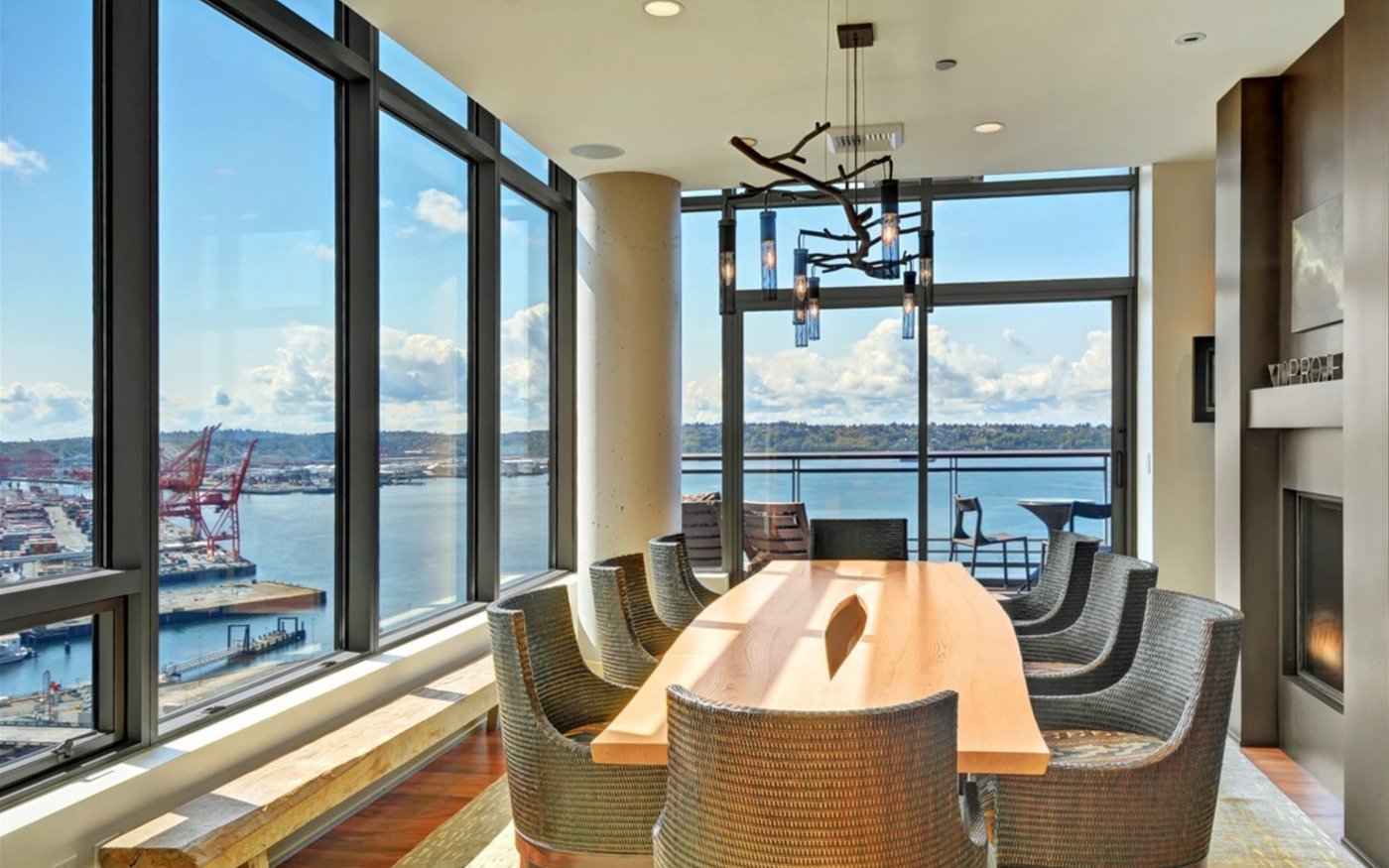
Madison Tower, data-driven pricing led to two record-setting penthouse sales
Jeff's Pricing Insight
You should never leave a pricing meeting wondering how we arrived at the number. I show the data, explain the reasoning, and give you a probable sale range so you know what to expect, before you commit to anything.
Building-Specific Analysis
Get a Building-Specific Price Analysis
If you are considering selling, the first step is understanding what your unit is worth in the current market. I can prepare a complimentary pricing analysis specific to your building, your floor plan, and your unit's attributes. No obligation, no pressure. Just data and an honest conversation about what the market will support.
Weekly Newsletter
Seattle Condo Market Briefing
Weekly insights on Seattle's condo market. Building updates, price trends, and neighborhood intel from 20+ years on the ground.
No spam. Unsubscribe anytime.

Jeff Reynolds
Seattle Condo Specialist · Compass Real Estate · 20+ Years
Jeff has spent 20+ years helping buyers and sellers navigate Seattle's condo market building by building. Have a question about pricing and selling your Seattle condo?
Authority Resources
Tools for Smarter Condo Decisions
Building Database
210+ buildings with year built, unit counts, HOA data, and neighborhood context.
Condo Market Report
Current price trends, inventory analysis, and neighborhood-level market data.
Condo Glossary
Plain-language definitions for every term a Seattle condo buyer needs.
HOA Fees Guide
HOA fees, reserve funds, financing rules, and the resale certificate explained.
Buildings FAQ
Direct answers about Escala, Insignia, The Luxe, 1521, Newmark, and 210+ buildings.