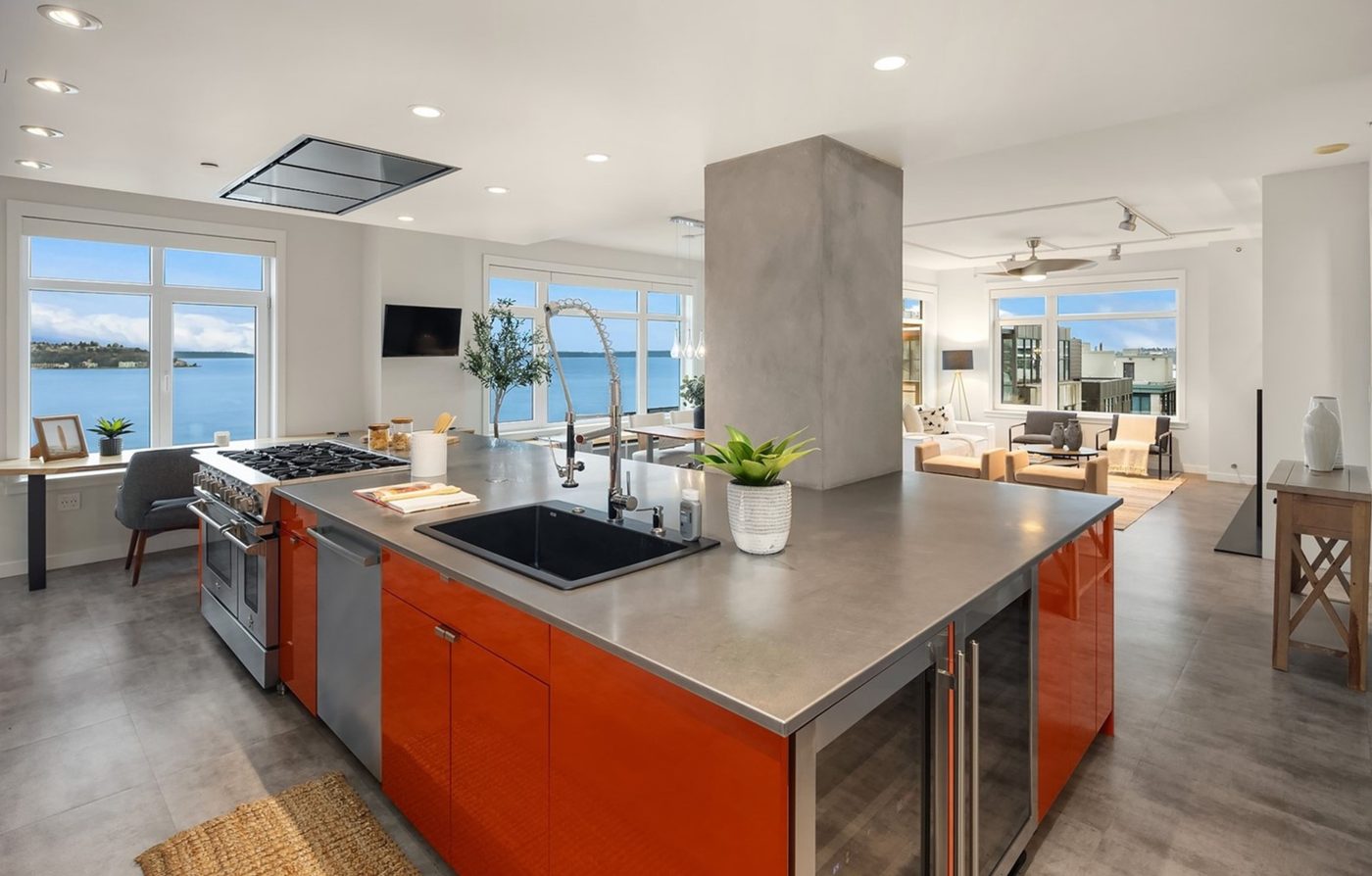
Seller Resource
When to Sell Your Seattle Condo
Seattle condo market timing and seasonal trends. When to list for maximum return and how building-level competition affects your timing decision.
Timing Matters More for Condos Than Houses
When you sell a house, you are selling a unique property. Buyer urgency and personal circumstances often override seasonal patterns. When you sell a condo, you are competing against similar units in the same building. Timing your listing to minimize in-building competition and maximize buyer demand can make a meaningful difference in both sale price and days on market.
I track listing and sale data across every major condo building in Seattle. This gives me the ability to advise you not just on the right month to list, but on the right week based on what else is happening in your specific building.
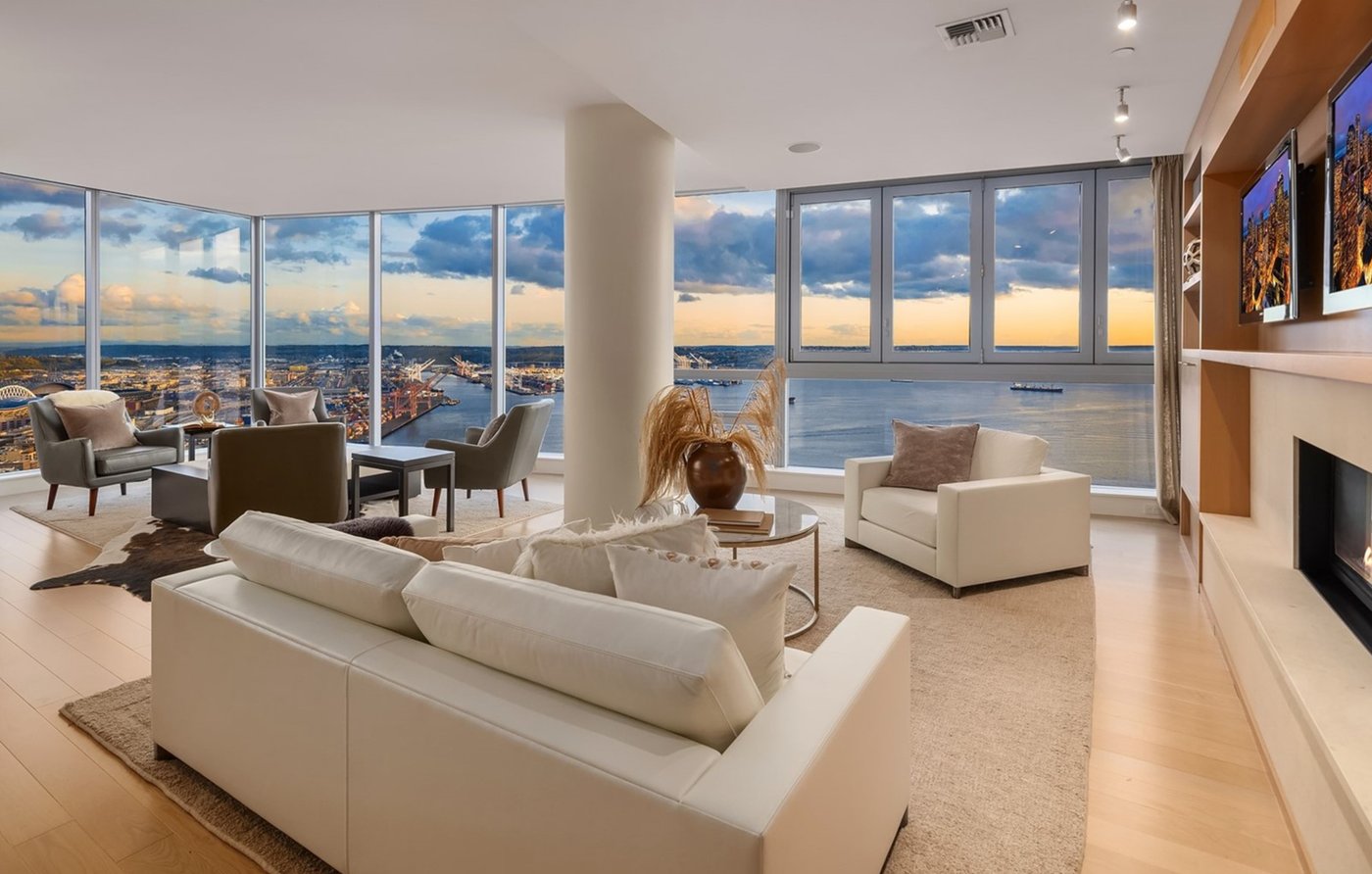
1521 Penthouse: sold in 88 days during an optimal market window
Seattle's Seasonal Condo Market
Seattle's condo market follows a predictable seasonal cycle, with some variation year to year based on interest rates, inventory levels, and broader economic conditions.
Strongest
Spring
March through June
This is the strongest selling season for Seattle condos. Buyer activity picks up in late February, gains momentum through March, and peaks between April and early June. Days on market are shortest during this window, and multiple-offer situations are most common. If you have flexibility in your timeline, listing in this period gives you the best probability of a quick sale at a strong price.
Steady
Summer
July through August
Activity slows slightly as buyers shift attention to vacations and outdoor activities. Seattle summers are precious, and real estate takes a backseat for many people. Inventory can build during this period as spring listings that did not sell remain on the market. That said, well-priced units in desirable buildings still sell. The buyer pool is smaller but more motivated.
Secondary Peak
Fall
September through October
A secondary selling window opens after Labor Day. Buyers who did not find something in spring return to the market. This two-month window is shorter and less predictable than spring, but it can be effective, particularly for sellers who missed the spring market or whose life circumstances changed over the summer.
Slower
Winter
November through February
The slowest period for Seattle condos. Fewer buyers are searching, daylight hours are limited for showings, and holiday schedules disrupt the transaction process. However, winter listings face less competition, and the buyers who are actively searching tend to be highly motivated. If your unit shows well in low light and your building is in a walkable neighborhood, winter can work. It just takes longer.
Building-Level Timing
Seasonal patterns are useful, but building-level dynamics are where the real timing intelligence lives. If three units in your 50-unit building are already listed, adding a fourth splits an already limited buyer pool four ways. Buyers and agents see multiple options in the same building and start comparing aggressively on price. This puts downward pressure on everyone's sale price.
Conversely, if you are the only listing in your building, you have the entire demand pool to yourself. Buyers who want to live in your building have one option: your unit. This shifts leverage in your favor and typically results in a faster sale at a stronger price.
I monitor active and pending listings in every building in our network. When I advise you on timing, I factor in what is currently listed, what is likely to list soon, and how the recent sales trajectory in your building compares to the broader market.
Only Listing
Strong Leverage
Buyers who want your building have one option: your unit.
Multiple Listings
Buyer Leverage
Buyers compare aggressively. Downward price pressure.

The Regata, Wallingford: sold above asking with multiple offers in 8 days
Interest Rates and Market Cycles
Interest rates have a direct impact on condo demand. When rates drop, buyer purchasing power increases, and more buyers enter the market. When rates rise, some buyers are priced out, and demand softens. You cannot control interest rates, but you can pay attention to the trend. A rate environment that is declining or stable is generally favorable for sellers.
Broader market cycles also matter. In a seller's market with low inventory and strong demand, timing is less critical because buyers are competing for limited options. In a buyer's market with higher inventory, timing becomes more important because you need to stand out in a crowded field. I track these conditions across every building so my sellers have data-driven timing recommendations, not guesses.
Personal Timing Versus Market Timing
Market timing is one factor, but your personal circumstances matter too. If you need to relocate for work in November, listing in November is the right move regardless of seasonal patterns. The goal is to understand the tradeoffs.
Market Timing Factors
- Seasonal demand cycles (spring strongest)
- Current in-building competition levels
- Interest rate environment and trends
- Inventory levels across the market
- Recent sales trajectory in your building
Personal Factors
- Job relocation or career changes
- Life transitions (family, downsizing, upsizing)
- Financial readiness and next-move timeline
- Carrying costs and holding period stress
- Emotional readiness to sell
A winter listing may take longer and sell for slightly less, but if waiting until spring creates financial stress or logistical problems, the smart play is to list now and price it correctly. The difference between a good outcome and a bad one is almost never the month you list. It is whether you priced correctly, prepared the unit well, and marketed it effectively. Those factors are within your control regardless of the calendar.
Jeff's Timing Insight
"I have sold condos in every month of the year. The difference between a good outcome and a bad one is almost never the month you list. It is whether you priced correctly, prepared the unit well, and marketed it effectively."
When Should You List?
Get a Timing Recommendation
The answer depends on your building, your unit, and your life. I can pull the data on recent sales trends, current competition, and seasonal patterns for your specific situation and give you a clear recommendation. No obligation. Just an honest conversation about timing and strategy.
Weekly Newsletter
Seattle Condo Market Briefing
Weekly insights on Seattle's condo market. Building updates, price trends, and neighborhood intel from 20+ years on the ground.
No spam. Unsubscribe anytime.

Jeff Reynolds
Seattle Condo Specialist · Compass Real Estate · 20+ Years
Jeff has spent 20+ years helping buyers and sellers navigate Seattle's condo market building by building. Have a question about timing and selling your Seattle condo?
Start with your goals
Tell Jeff about your home and selling goals
Share your property, timing, and priorities so Jeff can prepare a useful next step.
Allow about six minutes for buyer or seller discovery. Jeff reviews your answers before arranging a conversation.
Need help getting started? Call 206-794-1118 or email Jeff.
Have a quick question? Send Jeff a message.
Authority Resources
Tools for Smarter Condo Decisions
Building Database
210+ buildings with year built, unit counts, HOA data, and neighborhood context.
Condo Market Report
Current price trends, inventory analysis, and neighborhood-level market data.
Condo Glossary
Plain-language definitions for every term a Seattle condo buyer needs.
HOA Fees Guide
HOA fees, reserve funds, financing rules, and the resale certificate explained.
Buildings FAQ
Direct answers about Escala, Insignia, The Luxe, 1521, Newmark, and 210+ buildings.