
Seller Resource
Selling a Seattle Condo During a Special Assessment
How to sell a Seattle condo when your building has a special assessment. Disclosure requirements, pricing impact, and negotiation strategy.
A Special Assessment Does Not Mean You Cannot Sell
Special assessments are a fact of life in condo ownership. Buildings age. Roofs need replacing. Plumbing systems fail. When the reserve fund cannot cover the cost, the HOA levies a special assessment against all unit owners. If you are facing a special assessment and need or want to sell, the situation is manageable. It just requires a clear strategy, transparent disclosure, and realistic pricing.
I have helped sellers navigate active special assessments in dozens of Seattle buildings. The key is understanding how buyers perceive assessments and positioning your listing to address their concerns directly.
Understanding What Buyers See
Common Buyer Concerns
- • Financial health of the building
- • Possibility of future assessments
- • Cost they will inherit at closing
When a buyer learns that a building has an active special assessment, their first reaction is usually concern. They worry about the financial health of the building, the possibility of future assessments, and the cost they will inherit. These concerns are legitimate, and your marketing and disclosure approach needs to address them head-on rather than minimize them.
The resale certificate will disclose the assessment details, so there is no hiding it. Buyers will see the total assessment amount, the payment schedule, the reason for the assessment, and whether payments are current or delinquent across the building. Attempting to downplay or obscure a special assessment is the fastest way to lose buyer trust and kill a deal.
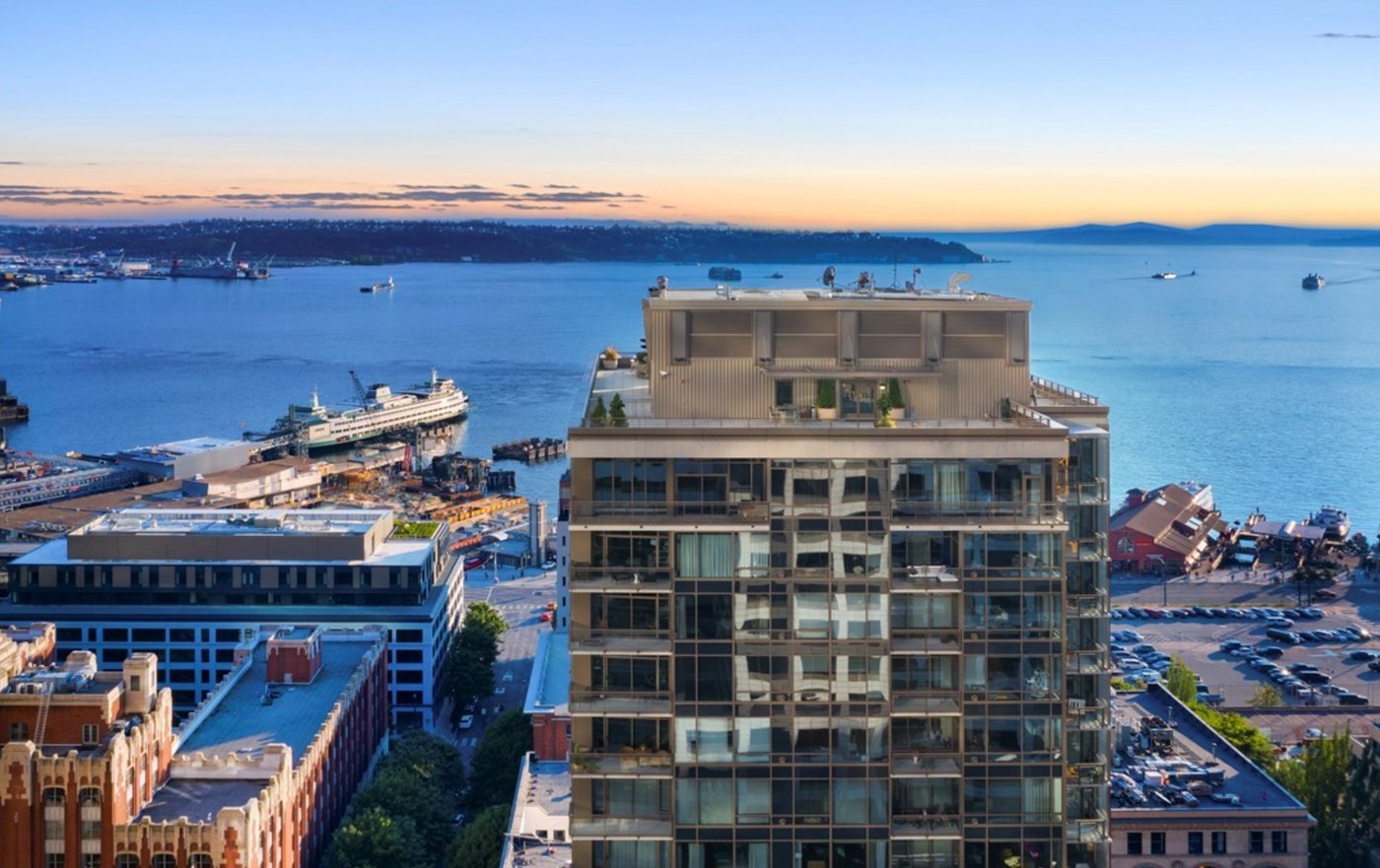
Every building tells a story to buyers. Assessments are part of that story
Disclosure Is Not Optional
Washington State Law
Washington State law requires sellers to disclose known material facts about the property. An active special assessment is a material fact. The resale certificate package will include details about any assessments levied within the past several years and any assessments that have been approved or are under discussion.
Beyond the legal requirement, proactive disclosure is smart strategy. I recommend addressing the assessment in the listing description or supplement. State the reason for the assessment, the total amount, how much has been paid, and how much remains. Buyers respect transparency, and agents who represent sophisticated condo buyers expect it.
How Assessments Affect Pricing
A special assessment will affect your sale price. The question is by how much. The impact depends on several factors:
Size of the Assessment
A $5,000 assessment for lobby renovation has minimal impact. A $50,000 assessment for building envelope repair is significant and will be reflected in buyer offers.
Reason for the Assessment
Assessments for proactive maintenance and improvements (new roof, elevator modernization, energy upgrades) are viewed more favorably than assessments for deferred maintenance or construction defect repairs.
Payment Status
If you have already paid most of the assessment, that is a selling point. If most of the payments remain outstanding, buyers factor the remaining balance into their offer.
Building Trajectory
Is the assessment fixing a one-time problem, or does the building have a pattern of under-reserving and levying assessments? Buyers and their agents look at the history.
When I price a unit with an active assessment, I analyze recent sales in the building during the assessment period and compare them to pre-assessment sales. This gives us a data-driven understanding of how the market is discounting the assessment, rather than guessing.
Negotiation Strategies
There are several ways to handle the financial mechanics of a special assessment in a condo sale:
Cleanest Approach
Seller Pays Off at Closing
You pay the remaining assessment balance from your sale proceeds at closing. The buyer takes ownership free and clear of the assessment obligation. This approach works best when the remaining balance is manageable and you have sufficient equity in the unit.
Price Adjusted Down
Buyer Assumes Remaining
The buyer takes over the remaining assessment payment schedule. The sale price is typically adjusted downward to reflect this assumption. This approach works when the remaining balance is large and paying it off at closing would significantly reduce your proceeds.
Keeps Recorded Price Higher
Seller Credit at Closing
You offer a credit to the buyer at closing that covers some or all of the remaining assessment. This is functionally similar to a price reduction but keeps the recorded sale price higher, which can matter for comparable sales in the building.
The right approach depends on the numbers, the buyer's preferences, and the negotiation dynamics. I advise sellers on the best strategy for their specific situation after analyzing the assessment details and the buyer's position.
Framing the Assessment Positively
Assessments as Building Improvements
Not every special assessment is bad news. An assessment that funds a new roof, updated common areas, or a seismic retrofit is an investment in the building's long-term value. After the work is completed, the building is in better condition than before, and that improvement is reflected in future sale prices.
I help sellers reframe assessments as building improvements rather than financial burdens. A building that just completed a $3 million exterior renovation is in better shape than a comparable building that has been deferring that maintenance. Buyers who understand this can see the assessment as a reason to buy, not a reason to walk away. Understanding how reserves work helps buyers and sellers have more productive conversations about building finances.
When to Wait and When to Sell
Consider Waiting
- Assessment work will be complete in a few months
- Buyers are more comfortable purchasing after work is done
- Less uncertainty about cost overruns or scope changes
- Buyers can see the finished result
Sell Now: Do It Right
- Price the unit to reflect the current reality
- Disclose everything transparently
- Market to buyers who understand assessments
- The assessment is a solvable financial item, not a deal-breaker
Get Expert Advice
Get Advice on Your Situation
If your building is facing or currently in a special assessment and you are considering selling, let's talk. I can review the assessment details, analyze the pricing impact, and give you a clear recommendation on timing and strategy. Every building and every assessment is different, and the right approach depends on your specific circumstances.
Weekly Newsletter
Seattle Condo Market Briefing
Weekly insights on Seattle's condo market. Building updates, price trends, and neighborhood intel from 20+ years on the ground.
No spam. Unsubscribe anytime.

Jeff Reynolds
Seattle Condo Specialist · Compass Real Estate · 20+ Years
Jeff has spent 20+ years helping buyers and sellers navigate Seattle's condo market building by building. Have a question about selling during a special assessment?
Start with your goals
Tell Jeff about your home and selling goals
Share your property, timing, and priorities so Jeff can prepare a useful next step.
Allow about six minutes for buyer or seller discovery. Jeff reviews your answers before arranging a conversation.
Need help getting started? Call 206-794-1118 or email Jeff.
Have a quick question? Send Jeff a message.
Authority Resources
Tools for Smarter Condo Decisions
Building Database
210+ buildings with year built, unit counts, HOA data, and neighborhood context.
Condo Market Report
Current price trends, inventory analysis, and neighborhood-level market data.
Condo Glossary
Plain-language definitions for every term a Seattle condo buyer needs.
HOA Fees Guide
HOA fees, reserve funds, financing rules, and the resale certificate explained.
Buildings FAQ
Direct answers about Escala, Insignia, The Luxe, 1521, Newmark, and 210+ buildings.