Buyer Resource
The Complete Seattle
Condo Buyer's Guide
Everything you need to know before you buy: building types, HOA due diligence, financing rules, neighborhood pricing, and a step-by-step timeline from a 20-year specialist.
PDF: No obligation, instant access
Why This Guide Exists
Buying a condo in Seattle is not the same as buying a house. The due diligence is different, the financing rules are different, the legal disclosures are different, and the variables that drive long-term value are building-specific, not lot-specific. Most buyer guides gloss over these differences. This one does not.
I have sold condos in over 200 Seattle buildings across 20+ years. This guide covers everything I wish every buyer knew before writing their first offer: from reserve study analysis to neighborhood-level pricing to the condo-specific financing traps that catch unprepared buyers.
Why Buying a Condo Is Different
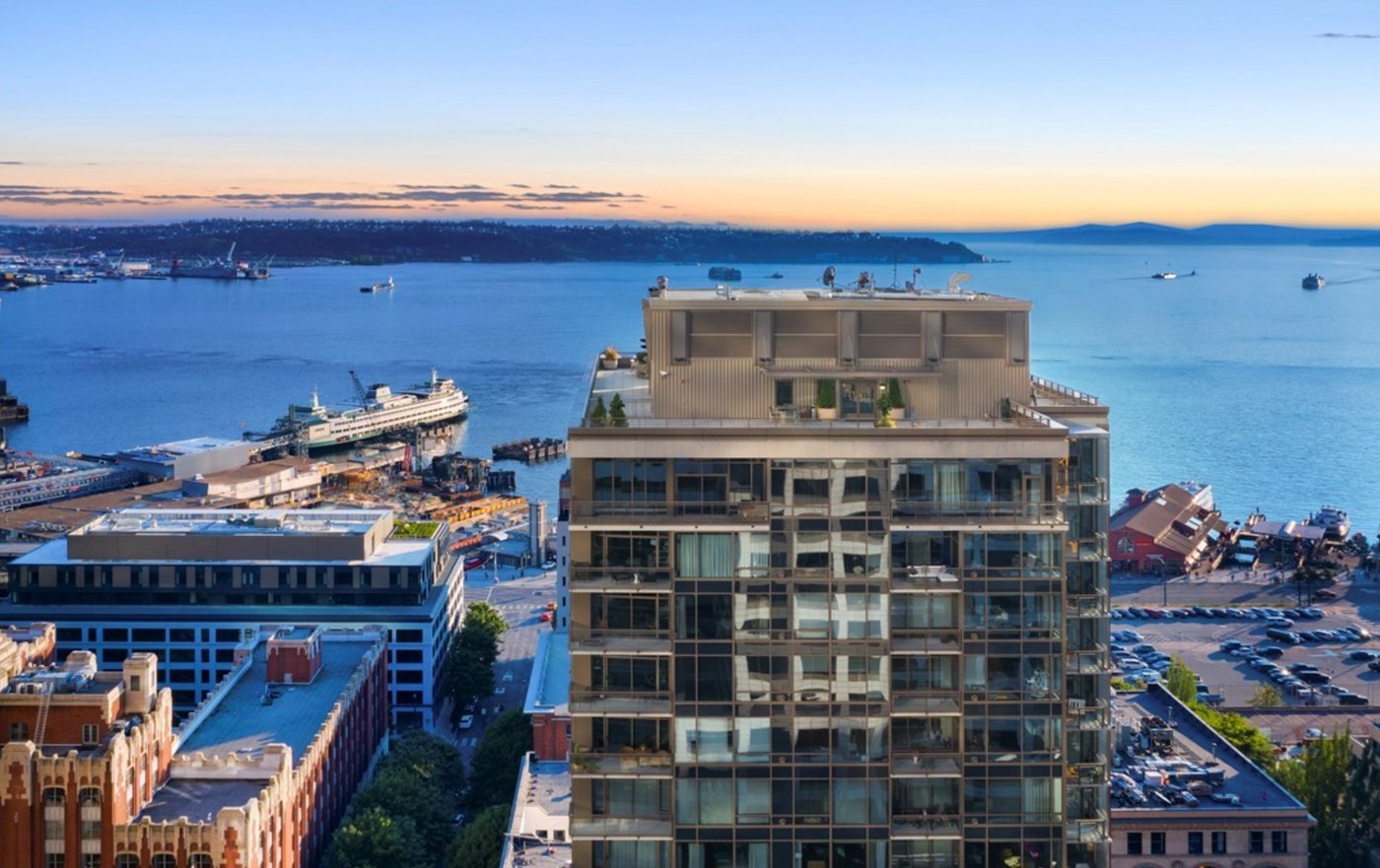
When you buy a house, you own everything: the structure, the land, the roof. When you buy a condo, you own the interior of your unit and share ownership of the building's common elements with every other owner. That shared ownership creates a financial relationship with every other owner in the building. Your monthly costs, your property value, and your ability to sell are all influenced by the collective decisions of the HOA.
Shared Financial Risk
Your HOA dues, reserves, and special assessments depend on every owner paying their share.
Building-Level Value
A great unit in a poorly managed building loses value. Building health drives resale price.
Governance Matters
HOA board decisions affect your finances, your lifestyle, and your ability to sell or rent.
Vertical Community
Neighbor proximity is closer. Sound, shared walls, and building rules require compatibility.
Jeff's Bottom Line
→ The building matters more than the unit. A well-managed building with healthy reserves will protect your investment regardless of market cycles. A beautiful unit in a financially distressed building is a liability. I help buyers evaluate both.

How to Choose the Right Building
Choosing the right building is the single most important decision in a condo purchase. The unit can be updated: new kitchen, new flooring, new fixtures. But you cannot change the building's financial health, the HOA board's competence, the construction quality, or the location. Ask these five questions before you write an offer:
What is the reserve fund status?
Look for 70%+ funded. Below 40% signals special assessment risk.
Has the building had any special assessments?
Recent assessments may indicate deferred maintenance or poor planning.
Is there pending or recent litigation?
Construction defect lawsuits can take years and freeze resale.
What is the owner-occupancy ratio?
Higher owner-occupancy = better maintained building and easier financing.
What is the building's rental policy?
Rental caps affect your flexibility and the building's financing eligibility.
Building Classification
Seattle Condo Building Types
Each building type has distinct characteristics that affect price, HOA dues, amenities, financing, and long-term value. Understanding these differences narrows your search efficiently.
High-Rise
13+ stories
Advantages
Considerations
Best for: Buyers who value security, views, and full-service amenities. Downtown, Belltown, and South Lake Union.
Mid-Rise
4 to 12 stories
Advantages
Considerations
Best for: Buyers seeking a balance of value and amenities. Found across most Seattle neighborhoods.
Low-Rise
1 to 3 stories
Advantages
Considerations
Best for: Buyers who want a neighborhood lifestyle with lower carrying costs. Capitol Hill, Fremont, Ballard, Wallingford.
Loft / Conversion
Varies
Advantages
Considerations
Best for: Buyers who value character and flexible space over conventional layouts. Pioneer Square, Capitol Hill, SoDo.
Download the Free Seattle Condo Buyer's Guide
Get the complete guide as a PDF. Keep it on your phone during your search.
Legal Framework
Washington State Condo Disclosures
A resale certificate provides important information about a condominium association’s finances, insurance, assessments and rules. Washington generally requires sellers to provide one for a condo resale, subject to the applicable law and exemptions.
Resale Certificate
RCW 64.34.425 / 64.90.640A resale certificate provides important information about a condominium association’s finances, insurance, assessments and rules. Washington generally requires sellers to provide one for a condo resale, subject to the applicable law and exemptions. Request the documents early and have your agent or attorney confirm your specific deadline. Review the budget, reserves, insurance, assessments and governing documents before that deadline.
Reserve Study
RCW 64.34.382Shows the HOA's long-term capital replacement plan and whether the reserve fund is adequately funded. A reserve study below 70% funded is a yellow flag. Below 40% is a red flag. Underfunded reserves are the leading predictor of future special assessments.
CC&Rs & Bylaws
RCW 64.34The governing documents that define what you can and cannot do with your unit. Rental restrictions, pet policies, renovation rules, and noise regulations live here. Read them before you buy, not after.
Confirm Your Resale Certificate Deadline
Cancellation deadlines depend on the statute governing the purchase and when the certificate is received. RCW 64.34.425 provides a five-day period after delivery, ending earlier if conveyance occurs. RCW 64.90.640 generally provides five business days after first receipt, with additional rules concerning contract signing and closing. Request the documents early and have your agent or attorney confirm your specific deadline. Review the budget, reserves, insurance, assessments and governing documents before that deadline. Sources: RCW 64.34.425 and RCW 64.90.640.
Most buyers skim these documents. I review them with you page by page, flagging anything that could affect your purchase decision or future costs.
HOA Red & Green Flags
Not every HOA is created equal. These indicators, drawn from reviewing hundreds of HOA budgets and reserve studies across Seattle, will help you quickly assess a building's financial health and governance quality.
HOA Fees Explained →Green Flags
Red Flags
Lending & Loans
Condo Financing Is Not Like House Financing
Condo lending has building-level requirements that don't apply to single-family homes. Your personal credit and income may be perfect, but if the building doesn't meet lender guidelines, you may not get the loan.
Warrantability
Condo eligibility depends on the loan program and the project’s characteristics. Lenders review factors such as insurance, reserves, building condition, litigation and ownership concentration. Requirements differ between new and established projects; a 50% owner-occupancy threshold should not be treated as a universal pass-or-fail test. Have your lender evaluate the specific building early in your search.
Financing Rules Guide →FHA & VA Approval
An FHA loan may be available for a unit in an FHA-approved condominium project or through FHA’s Single-Unit Approval process for an eligible unit in a project that is not FHA-approved. Your lender must confirm that the borrower, unit and project meet the applicable requirements. VA loans have a separate project approval process; ask your lender to confirm eligibility.
FHA/VA Requirements →HOA Delinquency
Lenders check what percentage of units are delinquent on HOA dues. If more than 15% of owners are behind on payments, many lenders will decline the loan. This is a building-level issue that affects every buyer in the building.
Special Assessment Guide →Condo Questionnaire
Your lender will require the HOA to complete a detailed condo questionnaire covering insurance, reserves, litigation, and owner-occupancy. Budget 1-2 weeks for the HOA to complete this, and $150-$400 for the questionnaire fee.
Buyer Closing Costs →Use a Condo-Experienced Lender
The most common financing problem I see is buyers using a lender who doesn't understand condo requirements. They get pre-approved, find a unit, write an offer, and then discover the building isn't warrantable or the HOA won't complete the questionnaire in time. Use a lender who has closed condo loans in your target building or similar buildings. I maintain a referral list of lenders who specialize in Seattle condos.
The Condo Buying Timeline
From first conversation to keys in hand, a typical Seattle condo purchase takes 8 to 12 weeks. Condo purchases include additional steps that house purchases don't: the resale certificate review, the condo questionnaire, and building-specific appraisal challenges.
Preparation
Weeks 1 to 2Active Search
Weeks 3 to 8Offer & Due Diligence
Weeks 8 to 10Closing
Weeks 10 to 12Location Intelligence
Seattle Condo Neighborhoods at a Glance
Each neighborhood has its own character, price range, building mix, and lifestyle proposition. Here is a quick comparison of Seattle's primary condo neighborhoods.
Downtown
High-rise urban corePrice Range
$400K to $5M+
Median $/sqft
$650 to $850
Largest selection of luxury high-rises, doorman buildings, and walkable lifestyle. Transit hub.
View Downtown Condos →Belltown
Walkable nightlife corridorPrice Range
$350K to $1.5M
Median $/sqft
$550 to $750
Most condos per capita in Seattle. Walk to Pike Place, waterfront, and restaurants. Value-friendly entry point.
View Belltown Condos →Capitol Hill
Cultural and creative hubPrice Range
$375K to $1.2M
Median $/sqft
$500 to $700
Independent restaurants, bars, and shops. Light rail access. Boutique buildings and loft conversions.
View Capitol Hill Condos →South Lake Union
Tech-driven urban villagePrice Range
$450K to $2M
Median $/sqft
$600 to $800
Amazon HQ proximity. Newer construction. Strong rental demand and appreciation. Lake Union access.
View South Lake Union Condos →Queen Anne
Neighborhood with viewsPrice Range
$350K to $1.8M
Median $/sqft
$450 to $650
Lower Queen Anne near Seattle Center. Upper Queen Anne for quieter living. View premiums are real.
View Queen Anne Condos →First Hill
Medical district value playPrice Range
$300K to $900K
Median $/sqft
$400 to $550
Hospital and university adjacency. Streetcar access. Some of the best price-per-square-foot values in central Seattle.
View First Hill Condos →Deep Dive Resources
Explore Each Topic in Detail
Each guide below dives deeper into a specific aspect of buying a Seattle condo. Every one has been written by Jeff Reynolds with 20+ years of building-level expertise.
Ready to Start Your Search?
Get the Guide. Then Get the Expert.
Download the free Seattle Condo Buyer's Guide to reference during your search. When you're ready to tour buildings, analyze HOA documents, and write offers, schedule a free strategy call. No pressure, no obligation, just the building-level expertise that makes the difference between a smart purchase and a costly mistake.
Weekly Newsletter
Seattle Condo Market Briefing
Weekly insights on Seattle's condo market. Building updates, price trends, and neighborhood intel from 20+ years on the ground.
No spam. Unsubscribe anytime.

Jeff Reynolds
Seattle Condo Specialist · Compass Real Estate · 20+ Years
Jeff has spent 20+ years helping buyers and sellers navigate Seattle's condo market building by building. Have a question about buying your first (or next) Seattle condo?
Authority Resources
Tools for Smarter Condo Decisions
Building Database
210+ buildings with year built, unit counts, HOA data, and neighborhood context.
Condo Market Report
Current price trends, inventory analysis, and neighborhood-level market data.
Condo Glossary
Plain-language definitions for every term a Seattle condo buyer needs.
HOA Fees Guide
HOA fees, reserve funds, financing rules, and the resale certificate explained.
Buildings FAQ
Direct answers about Escala, Insignia, The Luxe, 1521, Newmark, and 210+ buildings.