Denny Triangle vs International District Comparison

Nexus vs Koda

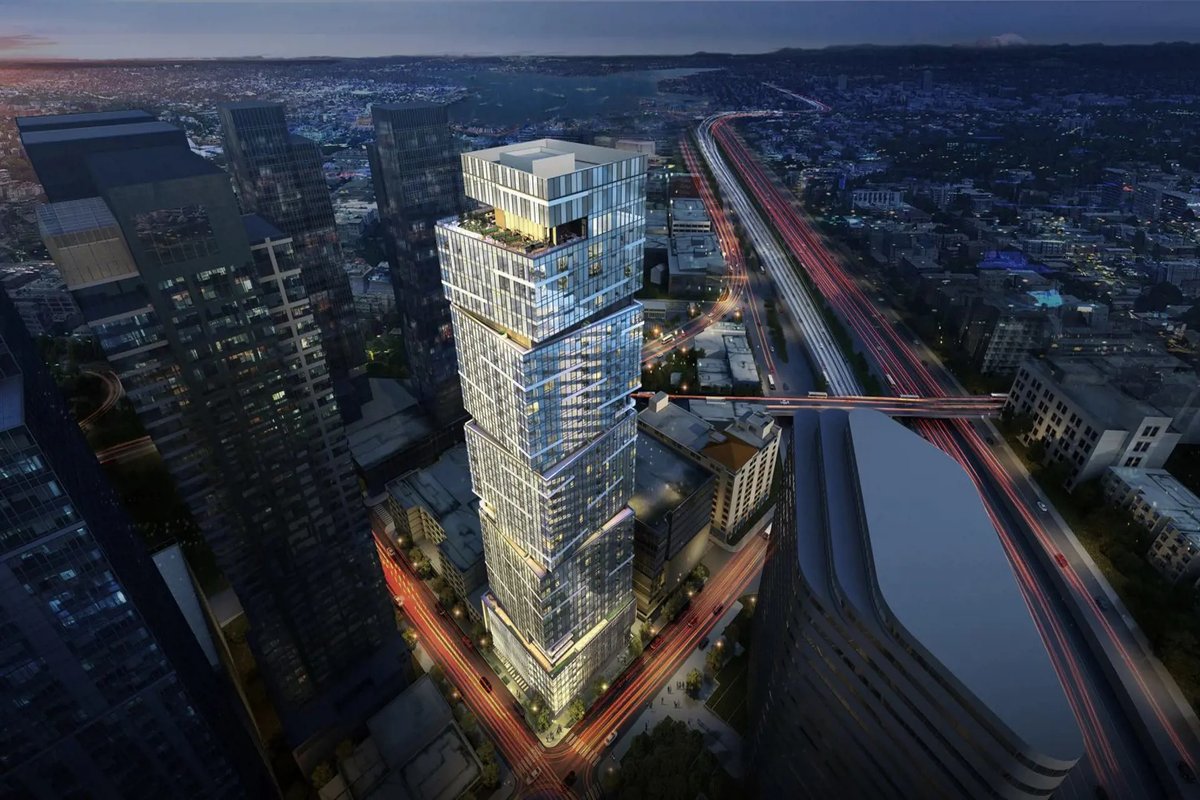
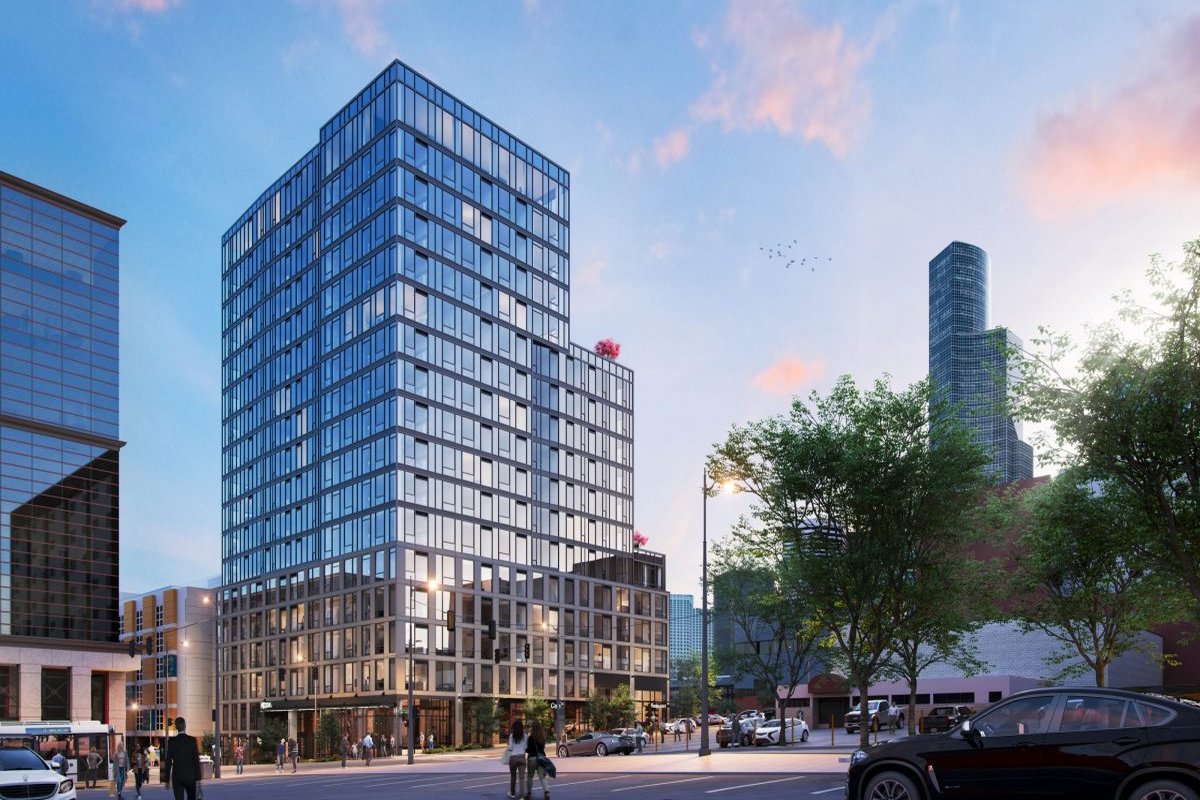
Nexus and Koda are both new construction from the same era, but they answer two different questions. Nexus is a 41-story, 389-unit high-rise in Denny Triangle, steps from Amazon and South Lake Union, with a published Walk Score of 99. Koda is a 17-story, 204-unit mid-rise in the International District, a smaller building in a more historic, transit-anchored part of the city. The real decision is neighborhood, building scale, and price tier, not which one is newer.

Registry-Backed Facts

Nexus vs Koda at a glance

These facts come from the published building records on this site. A purchase decision still requires the current resale certificate, budget, reserve study, meeting minutes, and insurance review.

Factor Nexus Koda
Address 1808 Minor Ave 450 S Main St
Neighborhood Denny Triangle, Seattle International District, Seattle
Year built 2020 2021
Residences 389 204
Stories 41 17
Building type High-Rise Mid-Rise
Developer Burrard Group Not published in registry
Published HOA range $700–$2000+ Review current resale certificate
Published starting price $650K Not published in registry
Walk Score 99 Not published in registry

Buyer Fit

Which buyer fits each building?

Why buyers choose Nexus

Nexus completed in 2020 with 389 residences across 41 stories, developed by Burrard Group, with HOA dues running $700 to $2000+ and published pricing from $650K. It carries rooftop, fitness, and co-working amenity floors, EV charging, and a Walk Score of 99 in the heart of the Denny Triangle employment cluster. It fits a buyer who wants a full-service high-rise lifestyle, true walk-to-work proximity to Amazon and Expedia, and the deeper amenity base and economies of scale that come with a large tower.

Why buyers choose Koda

Koda completed in 2021 with 204 residences across 17 stories, a mid-rise roughly half the size of Nexus, at 450 S Main St in the International District. It sits in one of Seattle's most historic and transit-connected neighborhoods, walkable to Pioneer Square, the stadiums, the International District and Chinatown light rail and transit hub, and the city's best counter-service dining. It fits a buyer who values a smaller, lower-density building, a more distinctive neighborhood, and typically a more accessible entry point than a Denny Triangle high-rise.

Seller Strategy

How the listing strategy changes

The seller decision splits on building scale and neighborhood narrative. A Nexus seller competes inside a 389-unit tower, so the volume of active and pending in-building listings, plus where the unit sits on view orientation and floor height, drives the timing and the price. A Koda seller works in a much smaller 204-unit building where comparable in-building sales are thinner, which means the listing leans harder on neighborhood story, the specific floor plan, and recent closed comps in the International District rather than a deep stack of identical units. In both buildings the winning listing leads with the unit's actual position, floor, light, and current HOA reserve picture, not generic new-construction language.

Jeff's Take

Nexus or Koda? It comes down to the specific unit.

These two buildings rarely come down to a coin flip, because they are not really competing for the same buyer. Nexus is a large Denny Triangle high-rise built around walk-to-work proximity to Amazon and South Lake Union and a full amenity deck. Koda is a smaller International District mid-rise built around a more historic, transit-rich neighborhood. If you already know which neighborhood you want to live in, that usually settles most of the question before we ever talk floor plans.

Where it gets interesting is the tradeoffs inside each choice. Nexus gives you the deeper amenity base, the 99 Walk Score, and the scale advantages of a 389-unit building, at the cost of more in-building resale competition and a published entry point from $650K. Koda gives you a lower-density, 204-unit building in a neighborhood with genuine character and one of the best transit positions in the city, typically at a more accessible price. Neither is better in the abstract. They are better for different people.

Before you commit, I put the specific units side by side on monthly cost per square foot, parking, view and floor, and the building's current HOA reserve and assessment position. With Koda I also pull recent closed comps in the International District, since the smaller building gives you fewer in-building data points to lean on. That comparison, not the marketing, is what tells you which building is the right buy for you.
FAQ

Nexus vs Koda questions

What is the difference between Nexus and Koda in Seattle?

Nexus is a 41-story, 389-unit high-rise in Denny Triangle, built in 2020 by Burrard Group, steps from Amazon and South Lake Union with a Walk Score of 99. Koda is a 17-story, 204-unit mid-rise in the International District, built in 2021. Nexus is the larger, full-amenity tower in a major job center, while Koda is a smaller building in a more historic, transit-anchored neighborhood.

Is Nexus or Koda the better building?

Neither is universally better, because they suit different buyers. Nexus offers a large high-rise with rooftop, fitness, and co-working amenities, EV charging, and a 99 Walk Score in Denny Triangle. Koda offers a smaller, lower-density mid-rise in the International District near light rail, the stadiums, and Pioneer Square. The right choice depends on the neighborhood you want and how a specific unit's price, floor, and HOA position compare.

How many units do Nexus and Koda have?

Nexus has 389 residences across 41 stories, completed in 2020. Koda has 204 residences across 17 stories, completed in 2021. Nexus is nearly twice the size of Koda, which means a deeper amenity base but also more in-building resale competition.

Where are Nexus and Koda located?

Nexus is at 1808 Minor Ave in Denny Triangle, between Downtown, South Lake Union, and Belltown, walking distance to Amazon and Expedia. Koda is at 450 S Main St in the International District, near the International District and Chinatown transit hub, Pioneer Square, and the stadiums. The two sit in distinctly different parts of central Seattle.

Free Consultation

Compare a specific Nexus or Koda unit

Send the listing links and Jeff will review unit position, HOA questions, and resale risk before you decide.