Downtown Building Comparison
Escala vs 1521 Second Avenue
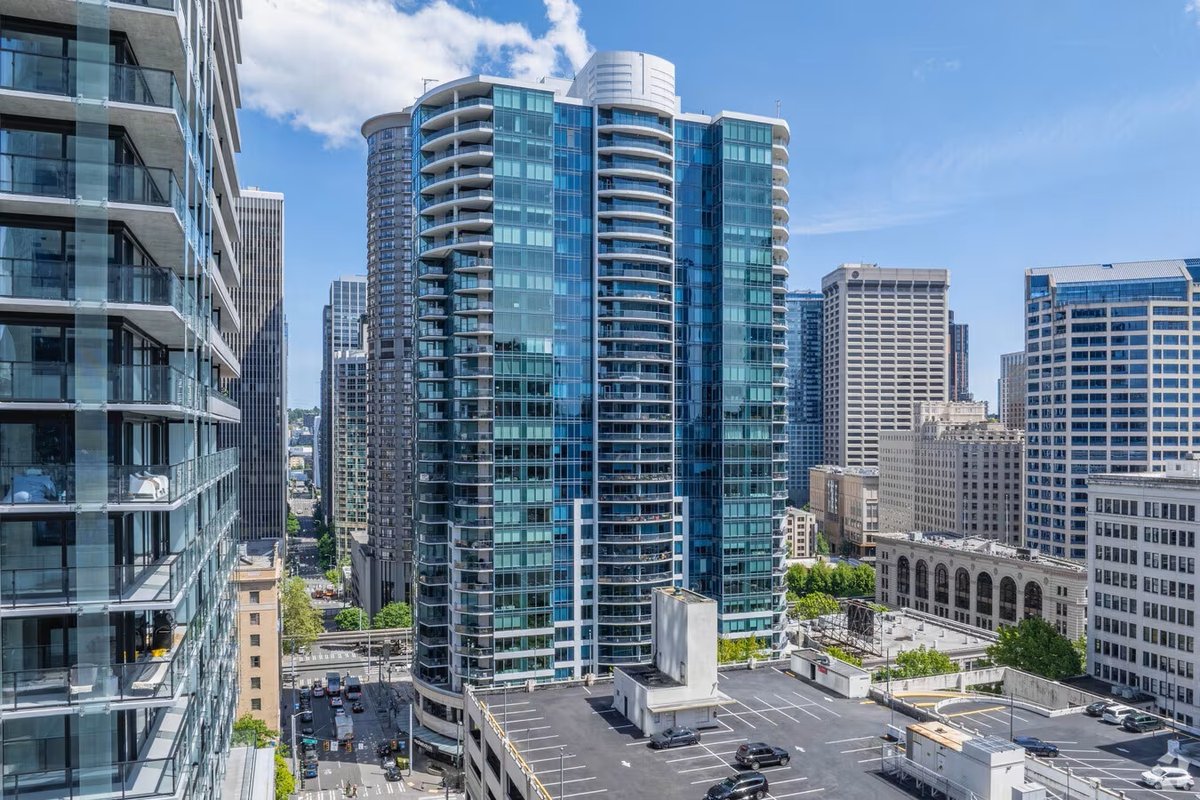
These are both Downtown Seattle luxury high-rises, but they solve different problems for buyers and sellers. Escala is the larger, newer, amenity-forward tower. 1521 Second Avenue is a smaller, established tower with a Pike Place Market address and a more limited ownership base.

Registry-Backed Facts
Side-by-Side Building Facts
The table below uses the published building records in this site. If a data point is not published in the registry, it is marked that way rather than inferred.
| Factor | Escala | 1521 Second Avenue |
|---|---|---|
| Address | 1920 4th Ave | 1521 2nd Ave |
| Neighborhood | Downtown, Seattle | Downtown, Seattle |
| Year built | 2009 | 2006 |
| Residences | 269 | 139 |
| Stories | 31 | 21 |
| Building type | High-Rise | High-Rise |
| Developer | Lexas Companies | Urban Partners / Rafn Company |
| Published HOA range | $900–$2000+ | Review current resale certificate |
| Published starting price | $900K | Not published in registry |
| Walk Score | 99 | Not published in registry |
Buyer Fit
Which Buyer Fits Each Building?
Escala fits buyers who want scale and amenities
Escala has 269 residences across 31 stories, plus published amenities that include Pool, spa, concierge, gym, wine cellar. That makes it a better fit for buyers who want a larger luxury high-rise, a broad amenity package, and a highly walkable Downtown location with a published Walk Score of 99.
1521 fits buyers who want a smaller ownership base
1521 Second Avenue has 139 residences, meaning fewer owners than Escala and a different ownership dynamic. It fits buyers who want Downtown high-rise living near Pike Place Market, but who prefer a more limited building inventory and are willing to review the building's resale certificate, reserve study, and litigation history before committing.
Seller Strategy
How the Listing Strategy Changes
An Escala seller has to account for internal competition. With 269 units, buyers may be comparing multiple active or recent Escala listings at the same time. The pricing strategy has to separate the unit by view corridor, floor height, condition, parking, storage, and monthly HOA cost.
A 1521 Second Avenue seller has a different issue: fewer units means fewer direct building comps. That can help when the unit is special, but it also means pricing needs a wider evidence set. I would compare recent activity inside 1521, nearby Downtown luxury towers, and any documented case-study level sales before setting the launch price.
For both buildings, the seller's job is not just to market the unit. It is to answer the building questions before the buyer's agent uses those questions to slow momentum.
Resale
Resale Considerations
HOA review matters
Escala has a published HOA range of $900–$2000+. 1521's current range is not published in this registry, so buyers should review the current resale certificate and budget before comparing monthly cost.
Construction era matters
1521 was built in 2006, and its published buyer flag calls for a review of construction-defect claims and litigation history. Escala was built in 2009, so buyers should still review minutes, reserves, insurance, and capital projects.
Exit buyer is different
Escala's exit buyer may value amenities, scale, and walkability. 1521's exit buyer may be more focused on a specific Downtown address, scarcity, and how the individual unit compares with other premium towers nearby.
Jeff's Take
Do not make this decision from photos.
Escala and 1521 Second Avenue can both make sense, but for different reasons. Escala is the more obvious amenity and scale play. 1521 is the more focused, smaller-building decision. The better purchase depends less on the tower name and more on the specific stack, view, HOA documents, and how the unit is priced against the building's recent sales.
My rule here is simple: compare the building before you compare the finishes. A beautifully staged unit in the wrong stack or with the wrong HOA risk can be a worse buy than a quieter unit in a stronger position.
Related Research
Keep Comparing Downtown
Seattle Condo Authority
Use the research layer behind the building database and advisory process.
How Jeff Evaluates Condos
See the building-first framework behind this Escala and 1521 comparison.
Downtown Neighborhood Profile
Understand the broader Downtown condo market before narrowing to one tower.
Downtown Condos for Sale
See active Downtown inventory and compare current buyer options.
HOA Fee Guide
Review how monthly dues, reserves, insurance, and special assessments affect value.
Seattle Condo Listing Agent
Connect building-level competition to seller positioning, pricing, and launch strategy.
Free Consultation
Compare a Specific Escala or 1521 Unit
Send the listing links and Jeff will review the building position, HOA questions, and resale risk before you write an offer.