Seattle Neighborhood Comparison
Downtown vs Belltown Condos
Downtown Seattle and Belltown overlap in daily life, but they solve different condo problems. Downtown is the core urban choice for buyers who want the waterfront, Pike Place Market, retail, hotels, the business district, and major amenities close together. Belltown is more residential, restaurant-heavy, waterfront-adjacent, and varied building by building.
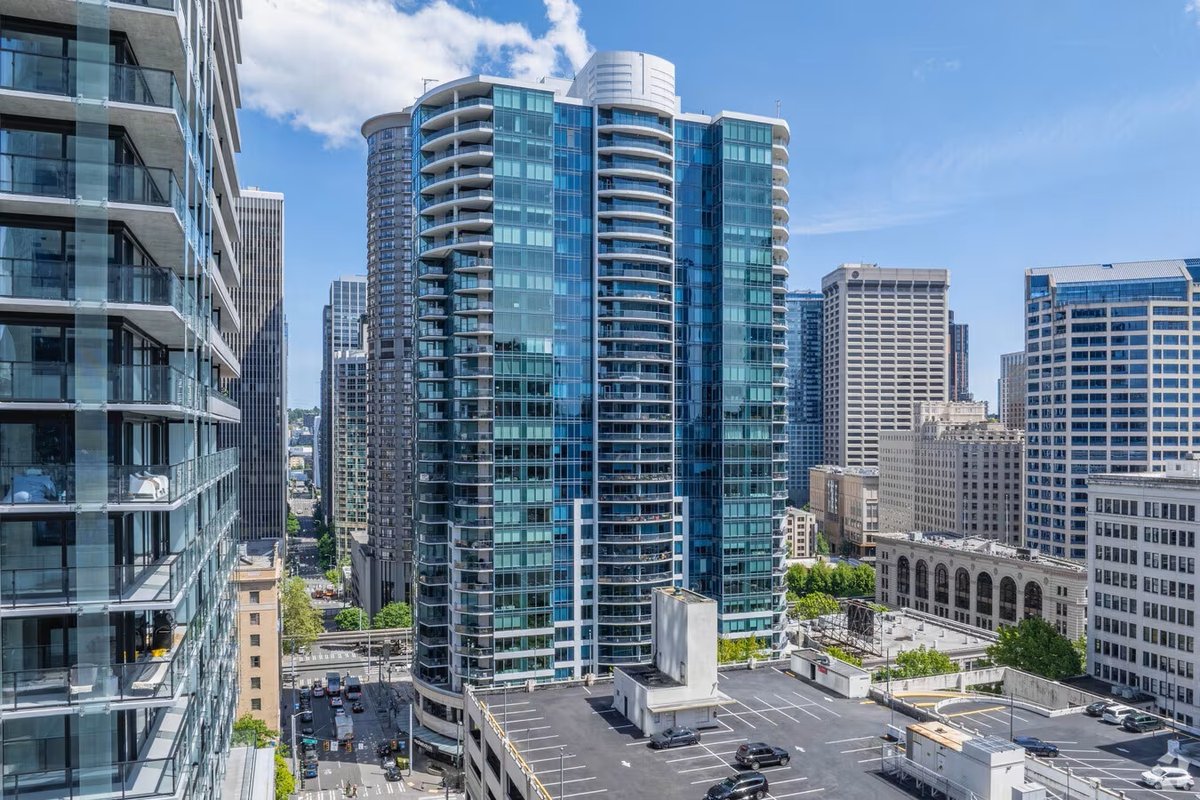
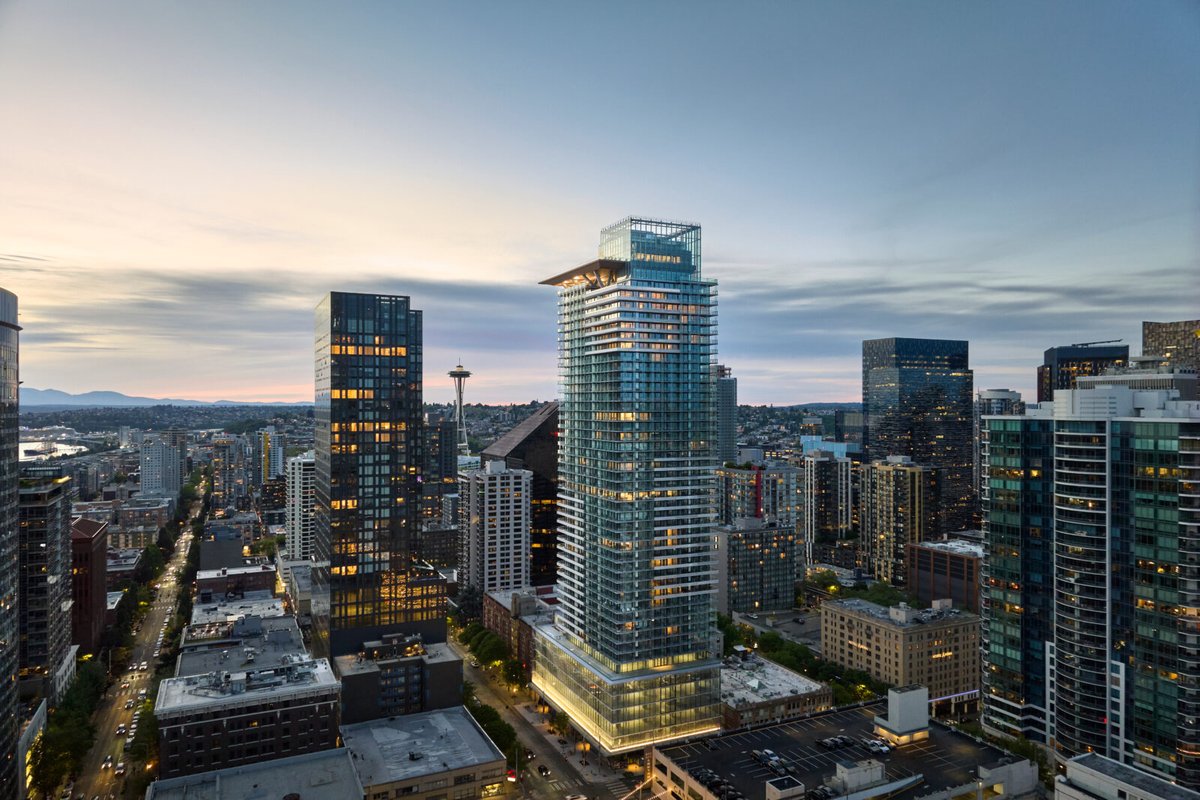
Neighborhood Facts
Quick Comparison Table
This comparison uses published site data where available. The building counts and walkability signals come from the existing content registry, while the buyer and seller notes are framed around the way these two Seattle condo submarkets are actually compared.
| Factor | Downtown | Belltown |
|---|---|---|
| Published building count | 22 building profiles | 28 building profiles |
| Core condo identity | Core urban high-rise living near the waterfront, retail, hotels, offices, Pike Place Market, and major civic amenities | Established residential condo neighborhood with restaurants, waterfront-adjacent blocks, and more building-by-building variation |
| Typical building mix on this site | Luxury towers, hotel-adjacent residences, high-rises, and older downtown buildings | High-rises, lofts, mid-rises, and older urban condo buildings |
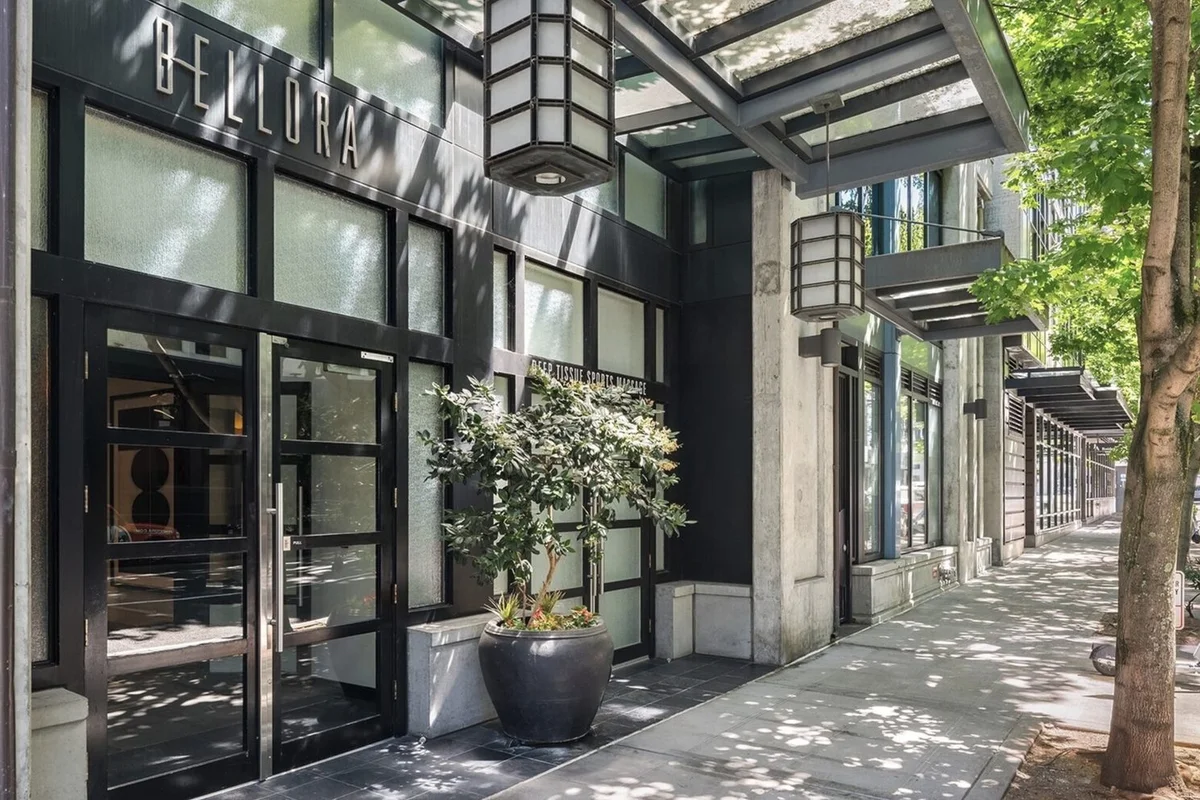
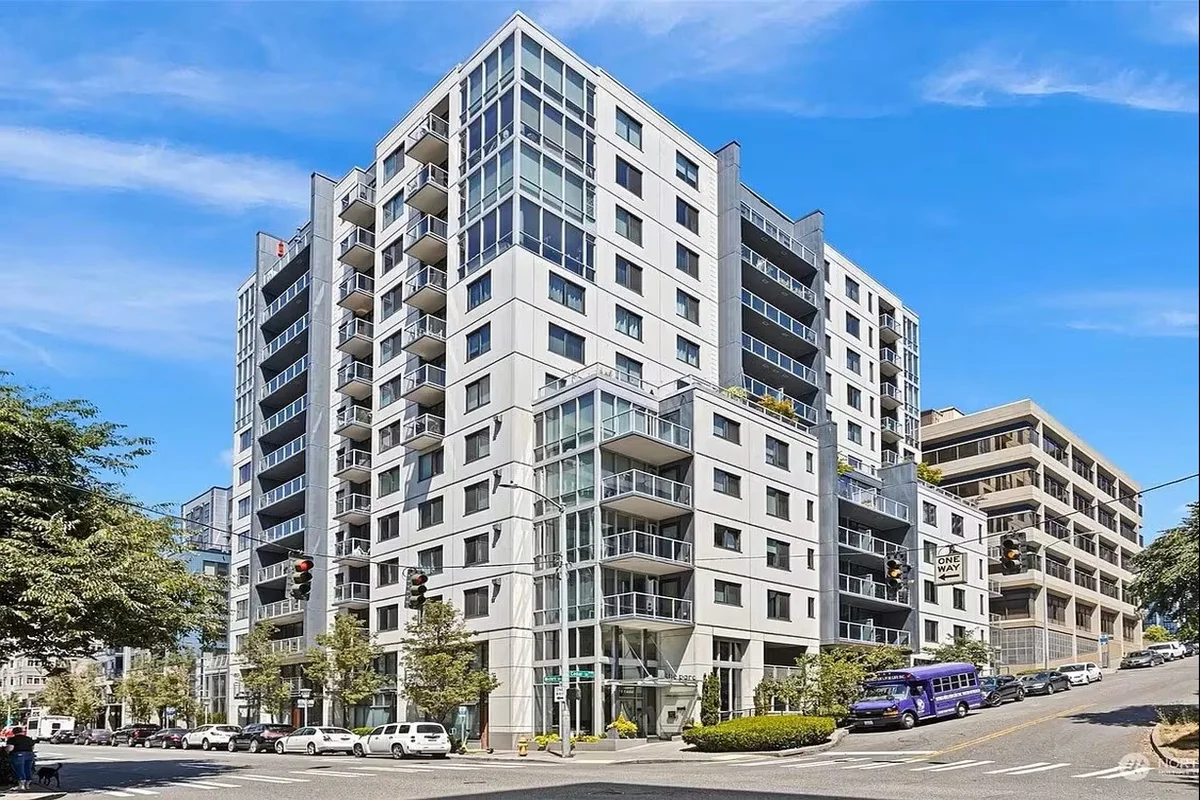
| Representative buildings | Escala, 1521 Second Avenue, Four Seasons Private Residences, Madison Tower, Newmark Tower | First Light, Cristalla, Mosler Lofts, Bellora, The Parc Belltown |
| Published walkability signal | Downtown profile Walk Score: not published | Belltown profile Walk Score: not published |
| Primary due diligence focus | Building position, hotel or commercial adjacency, HOA cost, reserves, view exposure, and nearby competing towers | Exact block, building age, HOA history, parking, view corridor, rental policy, and same-building resale comps |
Buyer Psychology
Two Different Buyer Mindsets
Downtown buyers usually want maximum urban compression
Downtown buyers are often choosing convenience first. The appeal is having the waterfront, Pike Place Market, hotels, restaurants, office towers, transit, and major amenities within a compact daily radius. The tradeoff is that the building has to carry more of the ownership story because the surrounding environment is busy and highly mixed-use.
Belltown buyers often want a more residential urban pattern
Belltown buyers are usually comparing lifestyle blocks. They may want restaurants, waterfront access, Seattle Center, Pike Place Market proximity, and a less office-centered feel than the Downtown core. The right fit depends heavily on the exact building, block, parking, view, and HOA profile.
Seller Strategy
How the Listing Strategy Changes
A Downtown seller needs to place the unit inside a core high-rise peer set. Buyers may compare Escala, 1521 Second Avenue, Four Seasons Private Residences, and Newmark Tower quickly. Pricing should explain floor height, view, building services, HOA cost, parking, storage, and how the unit competes with nearby towers.
A Belltown seller has to make the block and building story obvious. Buyers may compare First Light, Cristalla, Mosler Lofts, and Bellora even when those buildings solve different buyer needs. The listing needs to show why this particular building and unit make sense, not just why Belltown is walkable.
In both neighborhoods, the strategy starts with direct competition. A seller should know what is active in the same building, what recently sold nearby, which units have better views or lower monthly costs, and whether the HOA documents support the price being asked.
Building Stock
Inventory Shape Is the Main Difference
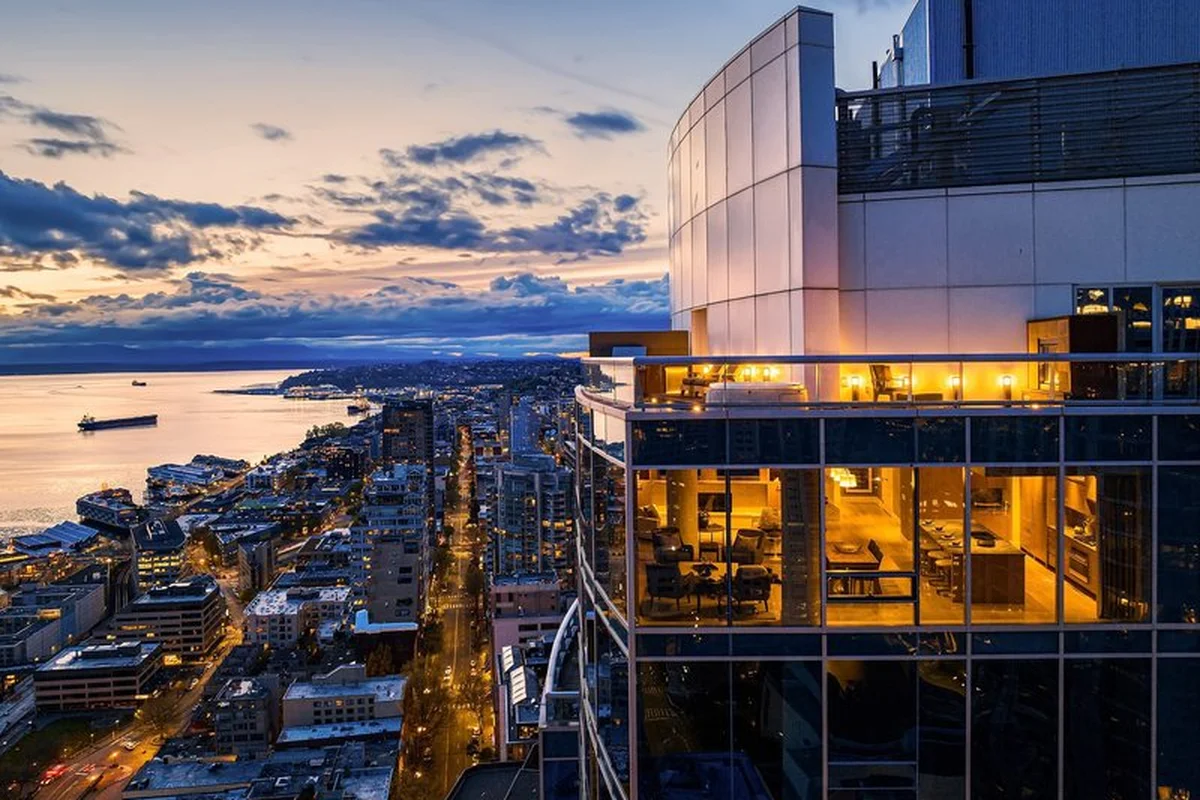
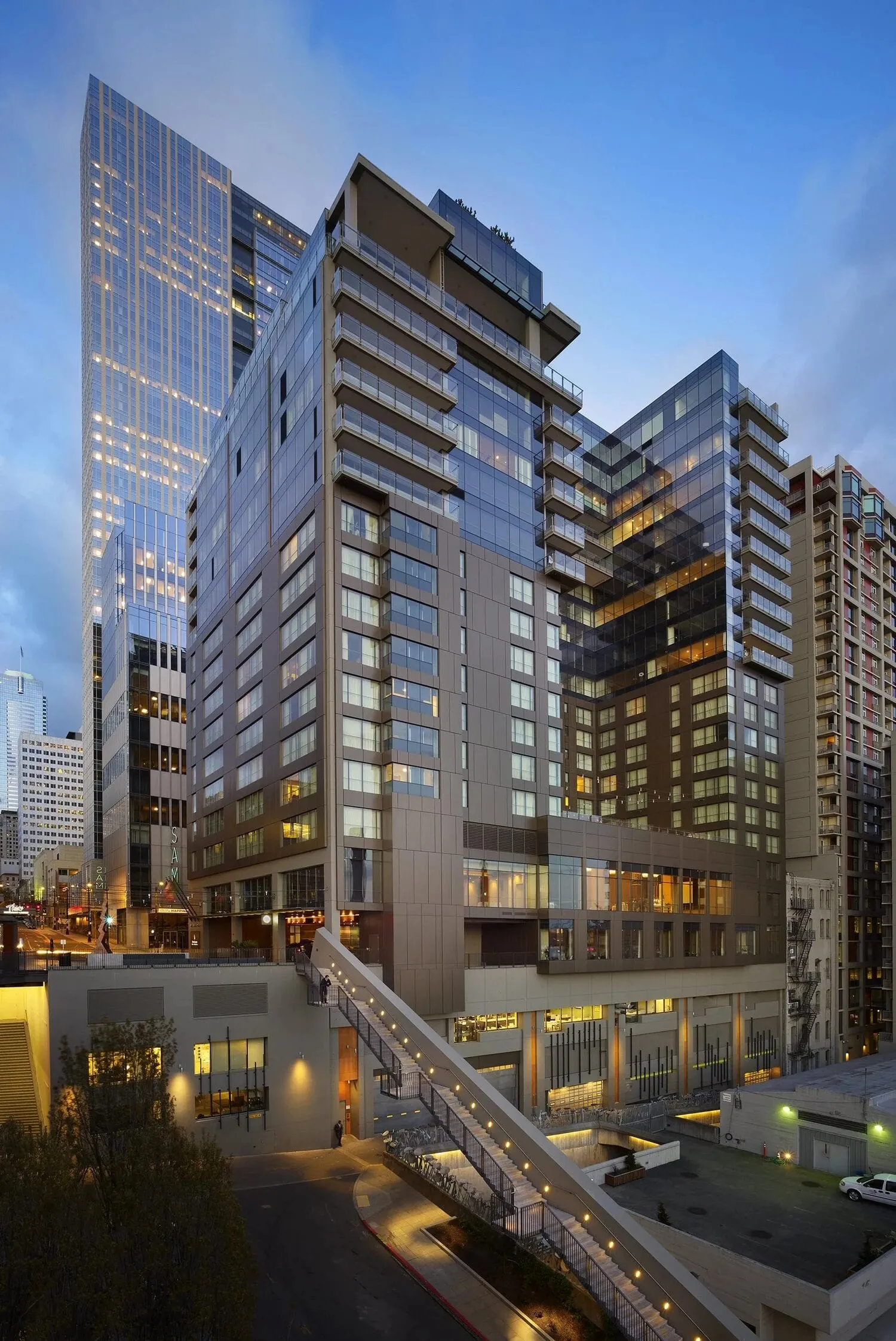
Relevant Downtown buildings
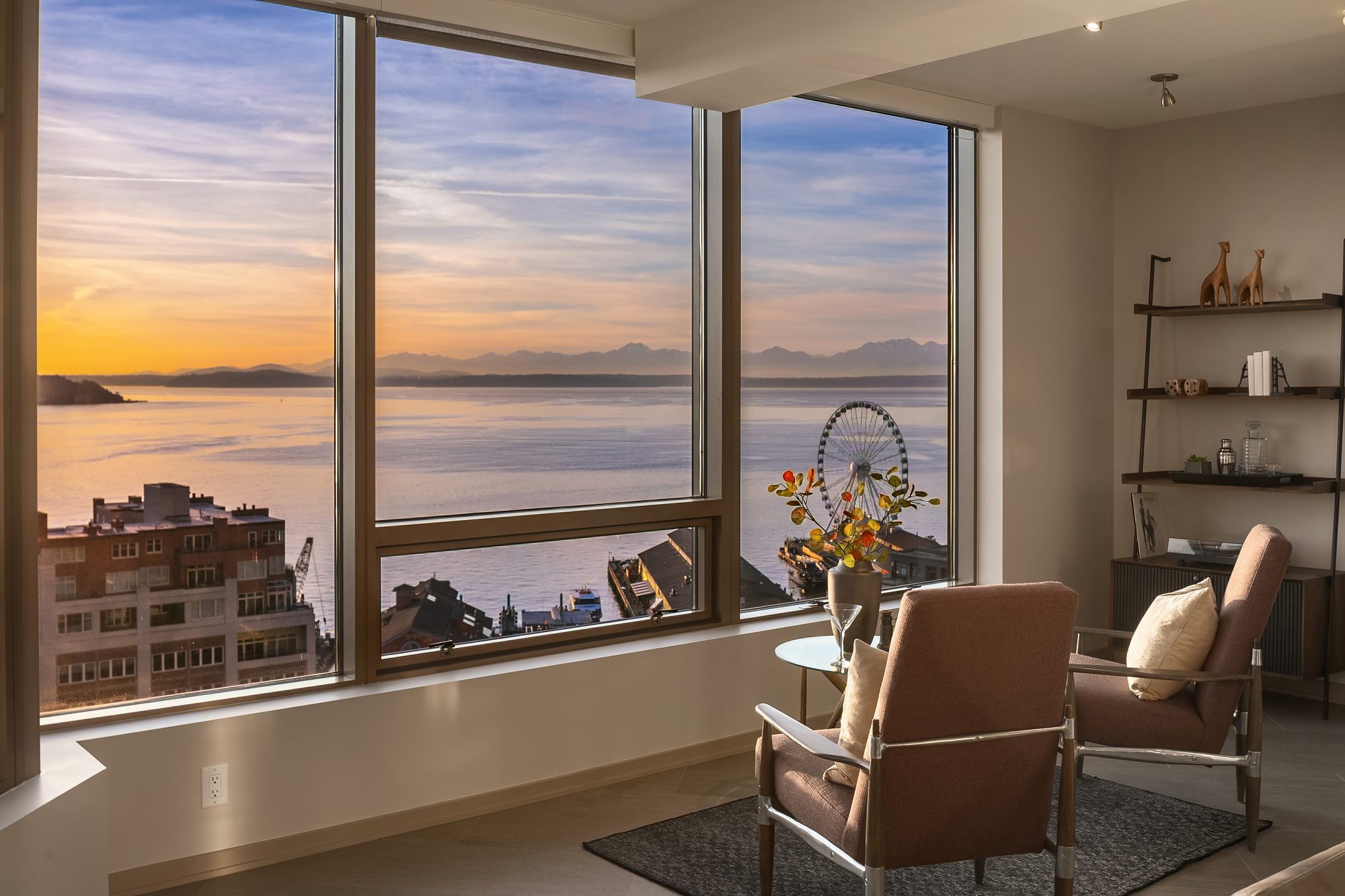
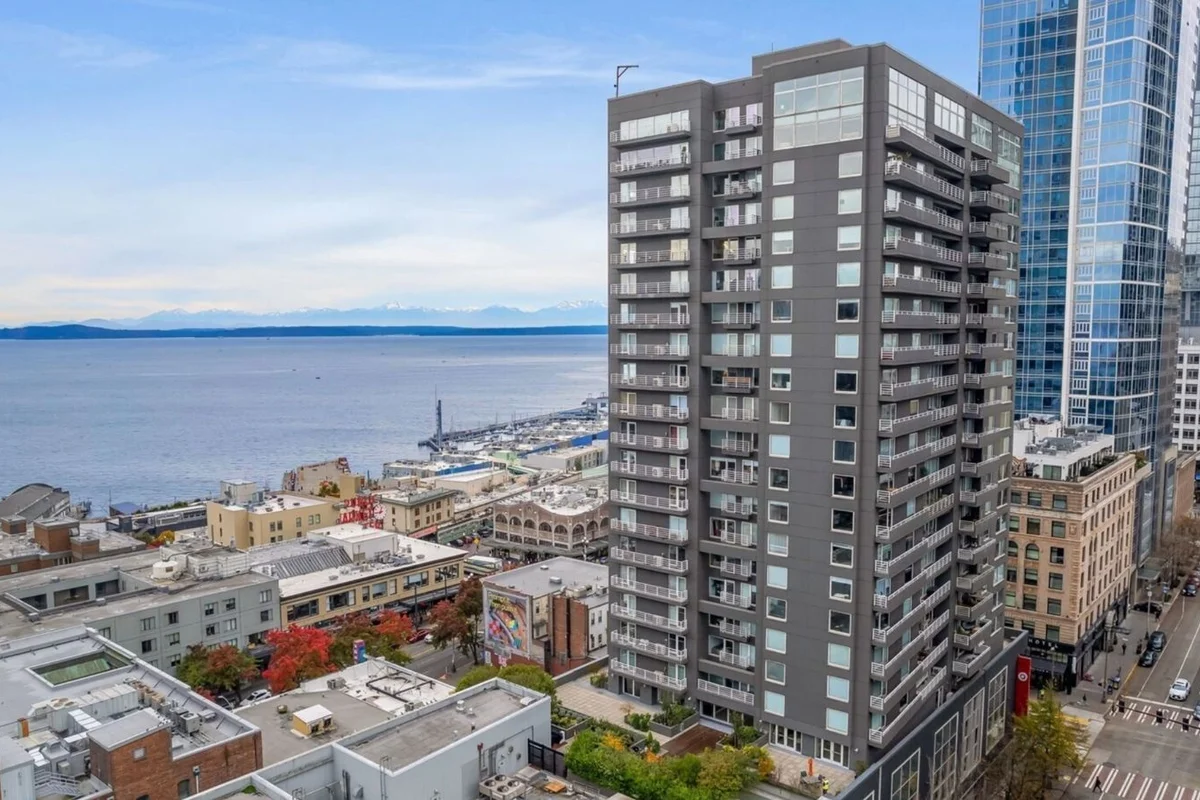
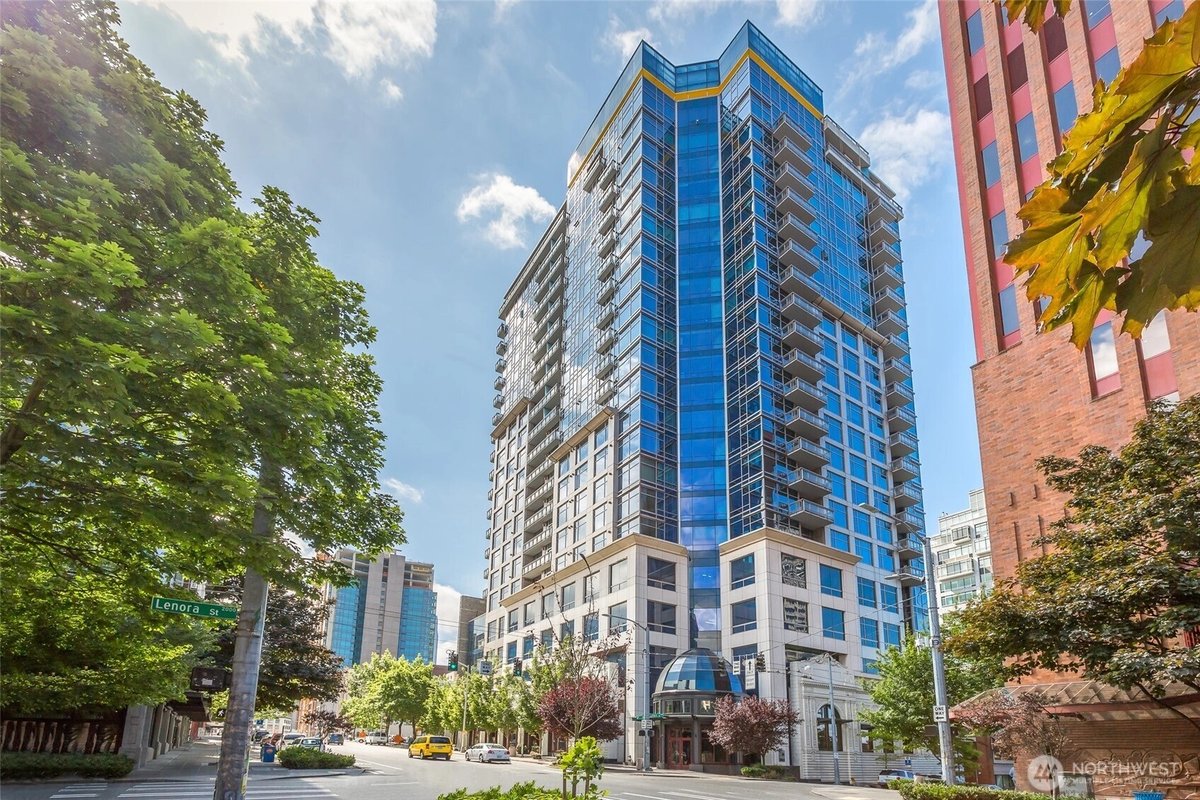
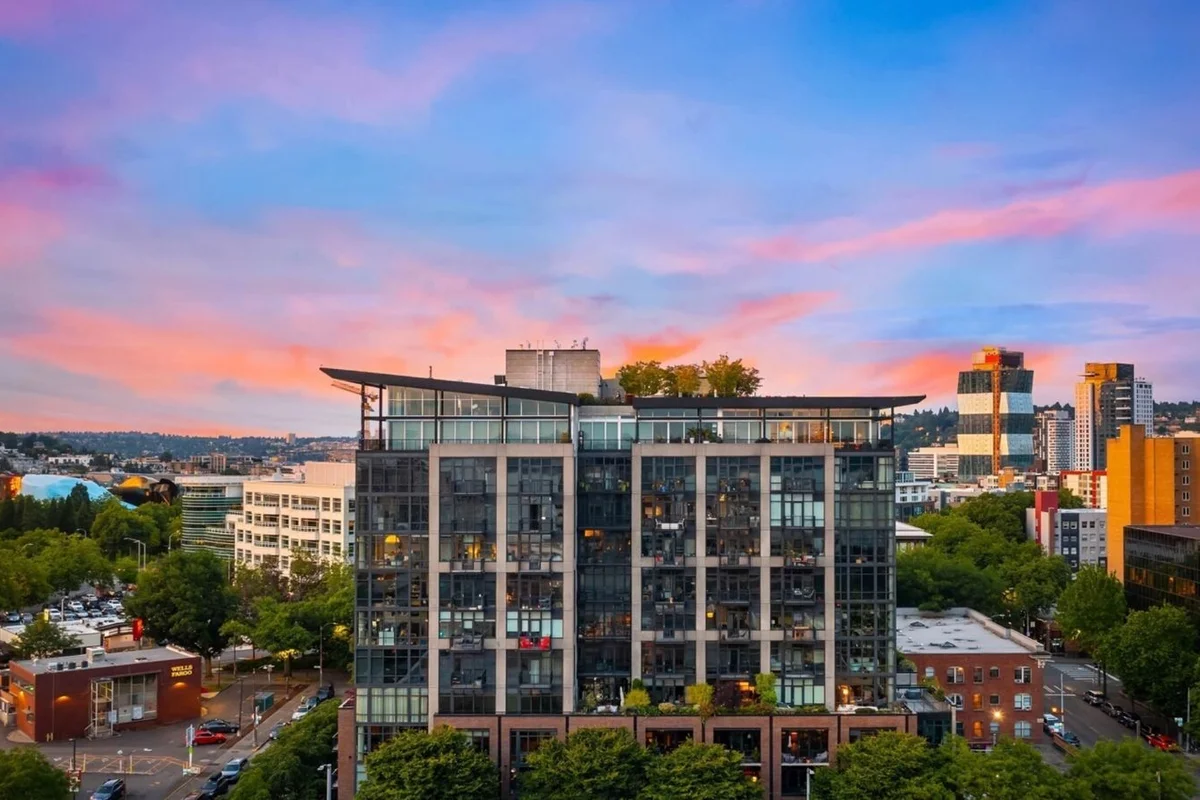
Resale
Resale Considerations
Downtown needs building service context
Downtown resale often depends on how the building's services, view exposure, parking, HOA cost, and commercial surroundings compare with nearby towers. A luxury unit can still be mispriced if better-positioned alternatives are active at the same time.
Belltown needs micro-location context
Belltown resale depends heavily on the exact block and building. Waterfront-adjacent exposure, restaurant proximity, building age, parking, views, and HOA history can make two nearby condos feel very different to buyers.
Do not rely on broad neighborhood claims
Neither neighborhood should be treated as automatically stronger for appreciation or investment. The more useful question is whether the individual unit is priced correctly against current inventory, recent sales, monthly cost, and HOA risk.
Jeff's Take
Downtown is a convenience decision. Belltown is a block-by-block lifestyle decision.
If a buyer tells me they want Downtown, I want to know whether they mean waterfront access, Pike Place Market, hotel services, office proximity, or a specific luxury building. Those are different searches, even when the map area looks tight.
If a buyer tells me they want Belltown, I start with the building and the block. First Light, Cristalla, Mosler Lofts, Bellora, and The Parc Belltown are not interchangeable. The right answer comes from the unit's position, the HOA, the current competition, and the way the building will read to the next buyer.
Related Research
Explore the Building Database
Seattle Condo Authority
Use the research layer behind the building database and advisory process.
How Jeff Evaluates Condos
See the building-first framework behind Downtown and Belltown condo decisions.
Seattle Condo Neighborhoods
Compare the broader neighborhood set before narrowing to one submarket.
Seattle Condo Buildings
Use the building database to compare Downtown and Belltown options one by one.
Belltown Condos for Sale
Review active Belltown inventory and building-level options.
Seattle Condo Building Review
Evaluate the building, HOA context, resale pattern, and competition before choosing a unit.
Free Consultation
Compare a Specific Downtown or Belltown Condo
Send the listing links and Jeff will compare the building, block, HOA documents, and resale position before you make a decision.